
If you’re expecting a fast-paced action-heavy spy movie, HUMINT may surprise you.
While it presents itself as an espionage thriller, the film ultimately focuses far more on emotional tension, character choices, and human relationships. Rather than relying on explosive action sequences, the story unfolds slowly, building weight through guilt, loyalty, and personal responsibility.
This shift in tone is what defines HUMINT. It’s less about who wins and more about what each character is willing to sacrifice.
A Spy Story That Feels More Personal Than Political
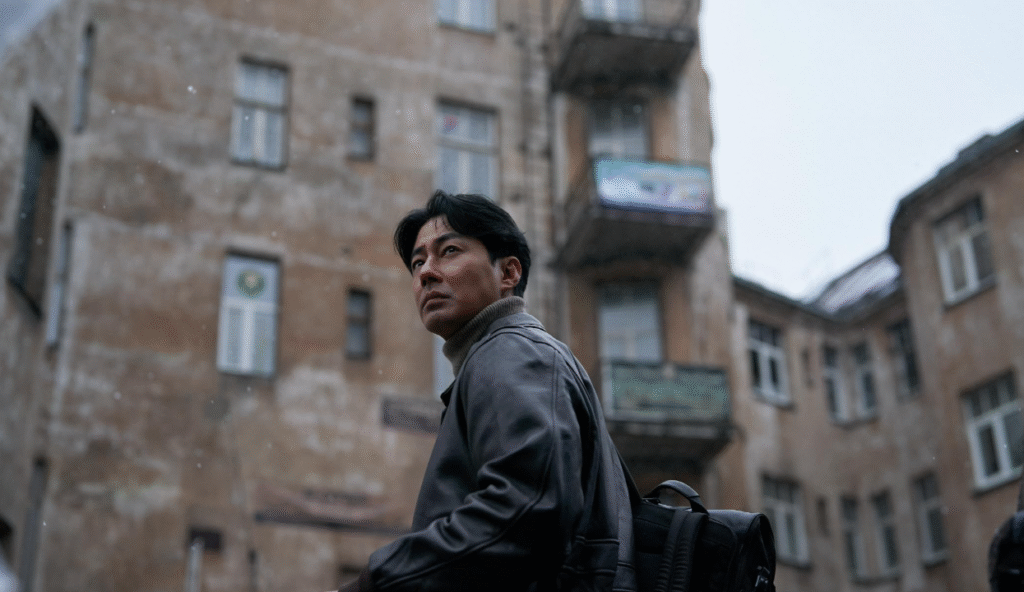
At first glance, the setup looks familiar. South Korean intelligence agents, North Korean operatives, and an international crime network all collide in Vladivostok. The geopolitical tension is there, but surprisingly, the film avoids leaning too heavily into ideology.
Instead, it zooms in on individuals trapped inside these systems. Each character carries emotional baggage — guilt, regret, unresolved love, or a sense of duty. As the narrative progresses, the focus shifts away from the mission itself and toward the emotional consequences of their decisions.
This makes the film feel more intimate than typical espionage movies. The stakes are not just political, but deeply personal.


A Simple Plot Driven by Emotional Weight
The core storyline is straightforward. A South Korean agent loses an informant during a mission and is haunted by guilt. Meanwhile, a North Korean operative investigates a related case. Their paths cross through a woman who becomes central to both men’s motivations.
From that point, the story evolves into a rescue-driven narrative. But unlike traditional action films, the emphasis is not on speed or spectacle. Instead, the film builds tension through hesitation, mistrust, and emotional conflict.
This approach gives the movie a slower pace, but it also creates a heavier atmosphere. Every decision feels meaningful, and every action carries consequences.


Emotion Over Action
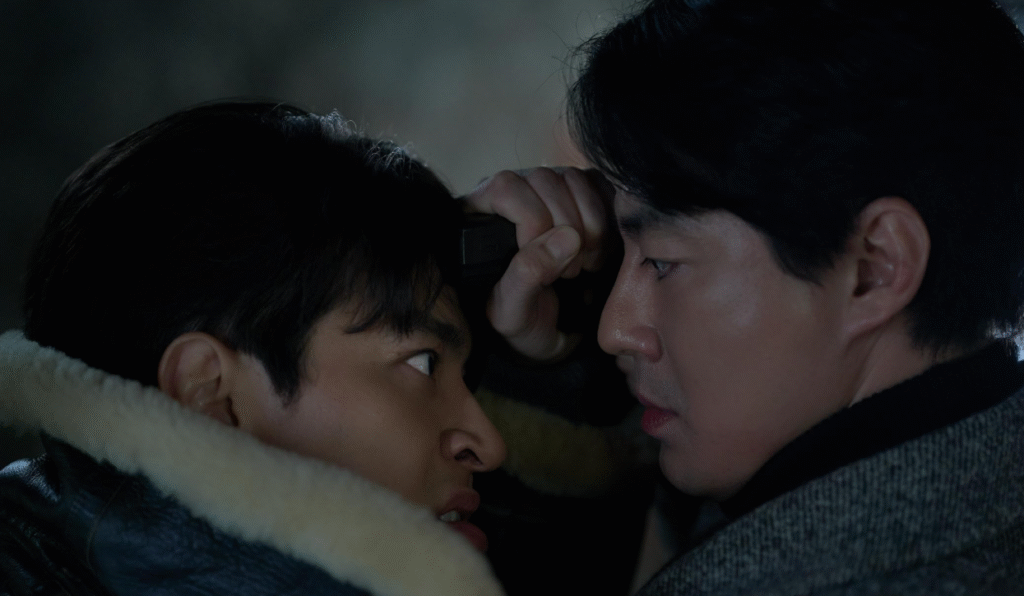
One of the most notable aspects of HUMINT is how restrained the action is. The fight scenes are realistic and grounded rather than stylized. There are no flashy hero moments. Even the climactic confrontation feels raw and tense rather than triumphant.
Because of this, the emotional arcs stand out more than the action itself. The film repeatedly asks whether duty should outweigh compassion, and whether saving one person can justify the risks taken.
This emotional focus may divide audiences. Those expecting a thrilling spy spectacle might find it subdued. However, viewers who enjoy character-driven narratives may appreciate the quieter intensity.

Strong Performances With Slightly Uneven Character Motivation
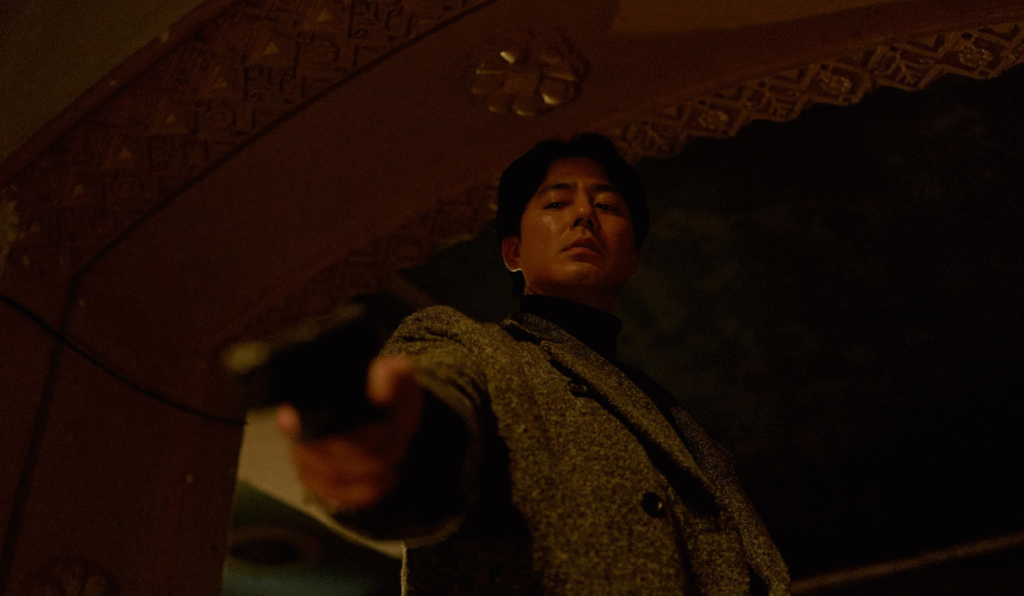
The cast delivers solid performances across the board. Park Jung-min brings emotional depth to a conflicted operative, while Park Hae-joon creates tension as a calculating antagonist. Jo In-sung anchors the film with a restrained performance shaped by guilt and responsibility. Shin Se-kyung serves as the emotional center, connecting the characters and driving the narrative.
Despite the strong acting, some character motivations feel underdeveloped. Certain choices happen abruptly, and the emotional transitions occasionally lack buildup. This can slightly weaken immersion, especially in key turning points.
Still, the performances help carry the emotional weight even when the writing feels thin.


A Realistic and Bittersweet Ending
The ending avoids a traditional victory. Instead of a clean resolution, the film concludes with loss, sacrifice, and lingering consequences. The mission technically succeeds, but not without cost.
This bittersweet tone reinforces the film’s central message: in the world of intelligence operations, there are no perfect outcomes. Every decision leaves something behind.
Rather than offering closure, the film ends on reflection. It invites viewers to consider whether the characters made the right choices, and whether any of them truly won.


Final Thoughts
HUMINT may look like a conventional spy film, but it plays out more like a character-driven drama. It trades spectacle for emotional weight and replaces clear victories with moral ambiguity.
This won’t satisfy everyone. But for viewers willing to engage with its quieter tone, the film offers a thoughtful exploration of loyalty, guilt, and human connection.

One-line summary
A spy thriller that quietly becomes a story about people, choices, and consequences.

🔗 Official Film & Reference Resources
HUMINT — Netflix Official Page
Watch the film, cast information, and streaming availability
https://www.netflix.com/
HUMINT — IMDb
Full cast, ratings, plot summary, and production details
https://www.imdb.com/title/tt32606470/?ref_=sr_t_2
🌍 More Reviews from Go K Wave
The Glory Review & Ending Explained: A Powerful Psychological Revenge Story
https://gokwv.com/the-glory-review-psychological-revenge/
The Ultimate Boyfriend On Demand Review: Netflix’s Virtual Dating K-Drama
https://gokwv.com/boyfriend-on-demand-netflix-review/
Bloodhounds Season 2 Ending: A New Game Begins
https://gokwv.com/bloodhounds-season-2-ending-explained-review/