Nine years of searching, one unexpected reunion, and a secret that changes everything.
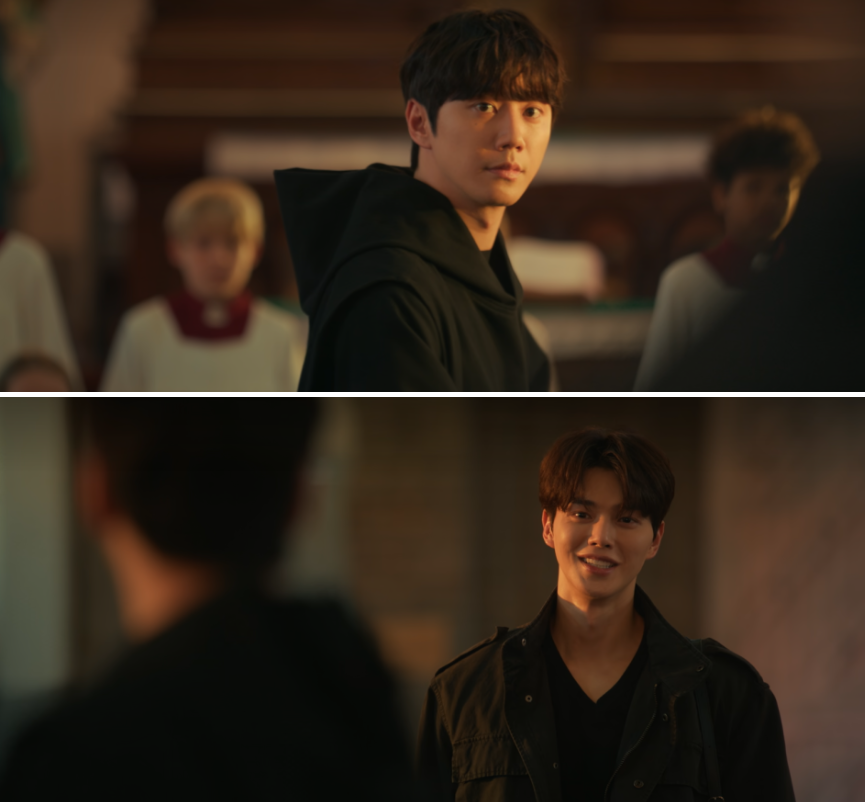
Netflix’s Korean drama Four Hands, Two Sonatas takes an emotional turn when Kang Pi-o (Song Kang) finally reunites with Choi Jeong-yo (Lee Jun-young), the former piano prodigy who disappeared from his life nine years earlier.
What should have been a joyful reunion quickly becomes a painful confrontation.
Jeong-yo has returned under a different name, Luca Dominico, and is pursuing a career as a conductor. Even more shocking, he claims not to remember Pi-o or their shared past.
But as the two confront each other, the truth becomes increasingly difficult to hide.
Why did Jeong-yo pretend to have lost his memories? And what does this revelation mean for two musicians whose lives were once inseparable?
In this Four Hands, Two Sonatas review, we explore the memory mystery, their emotional reunion, and the deeper meaning behind their relationship.
Spoiler Warning: This article contains major spoilers for Episodes 7 and 8 of Four Hands, Two Sonatas.
Four Hands, Two Sonatas: The Nine-Year Reunion
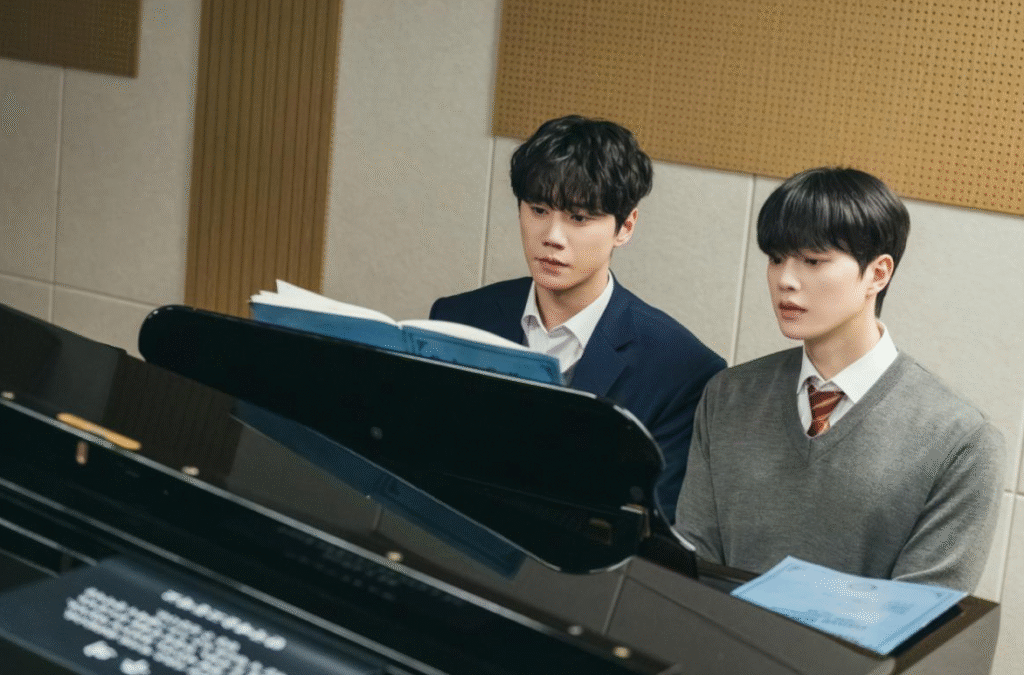
Pi-o and Jeong-yo’s relationship began at an elite performing arts high school, where both were recognized as exceptionally gifted pianists.
Although they shared the same passion for music, their personalities and backgrounds could not have been more different.
Pi-o was a disciplined perfectionist who had spent his entire life pursuing musical excellence. Jeong-yo, meanwhile, possessed extraordinary natural talent but carried emotional scars from his difficult childhood.
Their rivalry gradually developed into a complicated friendship built on mutual respect, jealousy, and an undeniable musical connection.
However, their promising future came to an abrupt end when Jeong-yo disappeared during an international piano competition.
A Familiar Face in the Czech Republic
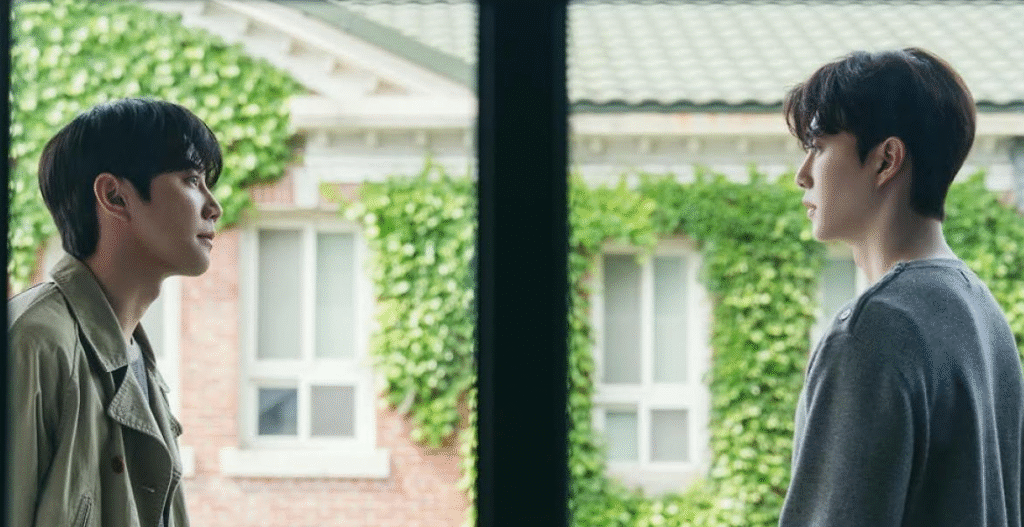
Nine years later, Pi-o discovers someone who looks exactly like Jeong-yo at a conducting competition in the Czech Republic.
The man now calls himself Luca Dominico.
Determined to discover the truth, Pi-o arranges an opportunity to speak with him privately.
But instead of acknowledging their past, Jeong-yo greets him as though they are meeting for the first time.
He claims that an accident caused him to lose his memories.
For Pi-o, who has spent years searching for his missing friend, the explanation is almost impossible to accept.
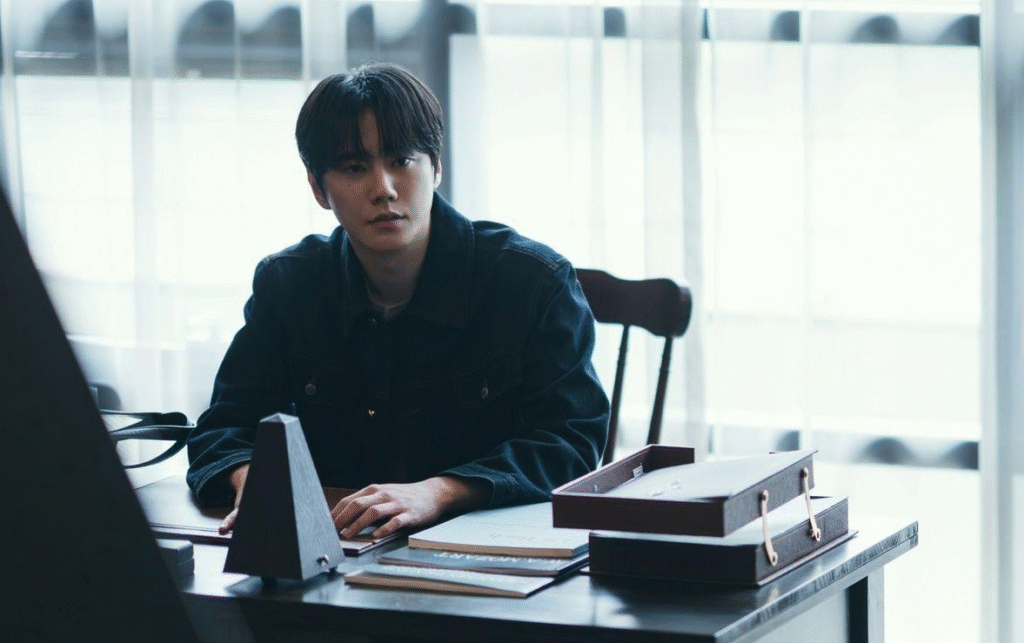
Why Did Jeong-yo Pretend to Lose His Memories?
At first, Jeong-yo’s supposed amnesia offers a possible explanation for his distant behavior.
A serious accident could have affected his memories, and his new identity might represent an attempt to rebuild his life.
However, Pi-o begins noticing inconsistencies.
Jeong-yo’s reactions suggest that certain memories remain intact, even when he insists otherwise.
The turning point comes when Pi-o confronts him about a childhood promise they once made.
The two had planned to play the piano together after a competition, and Pi-o remembers every detail of that moment.
When Jeong-yo inadvertently reveals that he also remembers, his carefully maintained story begins to collapse.
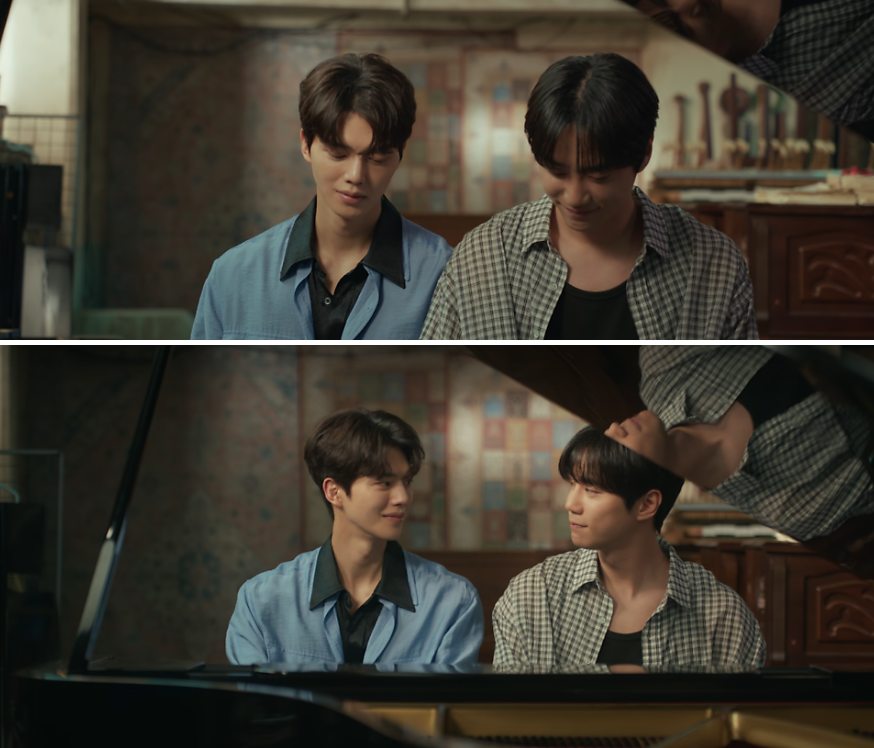
The Moment Pi-o Discovers the Truth
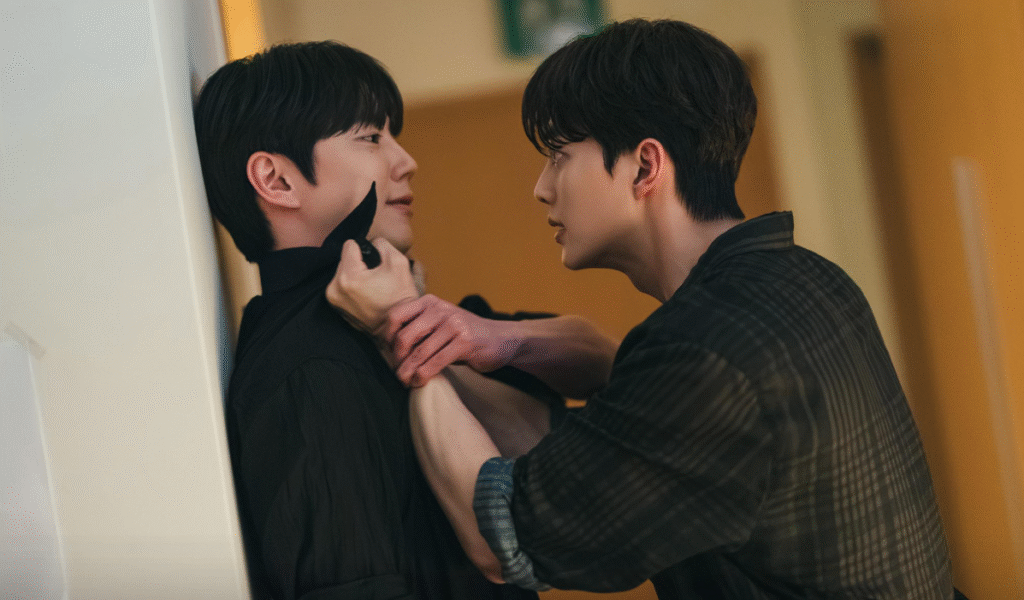
Pi-o finally confronts Jeong-yo about pretending not to recognize him.
It becomes clear that Jeong-yo has not completely forgotten their past.
Instead, he has deliberately hidden his memories.
This revelation changes the emotional meaning of their reunion.
Pi-o initially believed that the distance between them was caused by circumstances beyond their control.
Now he must confront a more painful possibility: Jeong-yo remembered him but chose to remain silent.
After nine years of uncertainty, discovering the truth brings anger and confusion rather than immediate relief.

The Hidden Trauma Behind Jeong-yo’s Decision
Jeong-yo’s deception is not simply an attempt to avoid an uncomfortable reunion.
His reaction suggests that the circumstances surrounding his disappearance have left him deeply frightened.
When confronted about his memories, he connects his decision to remain silent with the possibility of being placed in danger again.
Rather than providing a simple explanation, this moment introduces a more complicated emotional conflict.
Jeong-yo’s behavior can be interpreted as an act of self-protection.
He appears unwilling to expose himself to the people and events connected to his past.
At the same time, his decision has serious consequences for Pi-o.
While Jeong-yo has been building another life, Pi-o has spent nine years struggling with unanswered questions.
Their reunion forces both characters to confront the different ways they have survived their separation.

Memory Loss or Emotional Self-Protection?
One of the most interesting aspects of Four Hands, Two Sonatas is the distinction between losing memories and choosing not to acknowledge them.
Genuine memory loss would make Jeong-yo’s behavior tragic but involuntary.
Pretending to forget, however, introduces a question of personal responsibility.
Even if his reasons are understandable, Jeong-yo’s silence has caused Pi-o considerable pain.
This makes their relationship more emotionally complex than a conventional reunion story.
The drama does not simply ask whether they still remember each other.
It asks whether remembering someone is enough to rebuild the trust that has been broken.
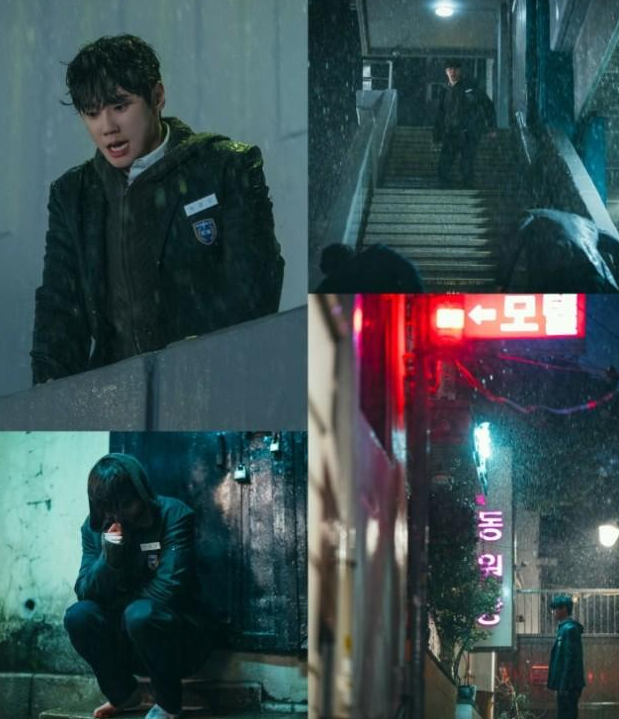
What Does the Title Four Hands, Two Sonatas Mean?
The title carries an important symbolic meaning.
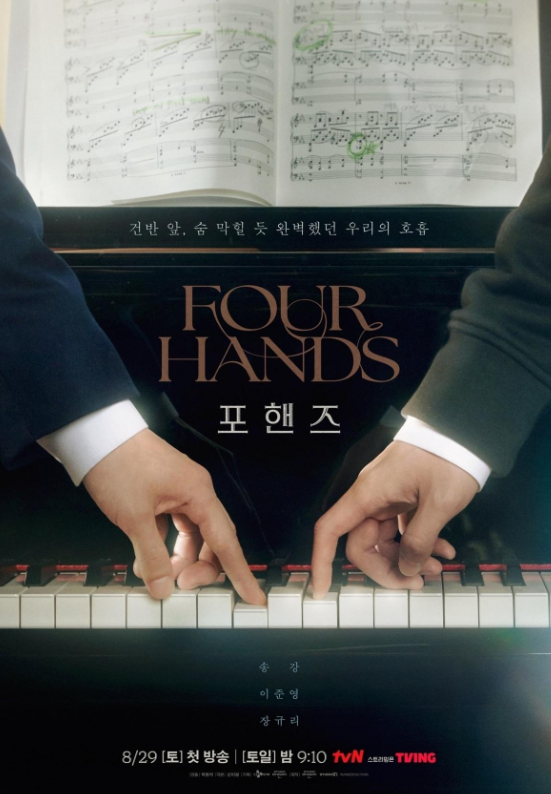
In classical music, a piano four-hands performance involves two musicians playing one piano together.
Unlike a solo performance, it requires constant cooperation, coordination, and trust.
Both performers must listen to each other and adjust their timing to create a unified musical expression.
This concept reflects the relationship between Pi-o and Jeong-yo.
During their school years, both wanted to establish their identities as talented pianists. Their rivalry often created conflict, but performing together allowed them to discover a different kind of connection.
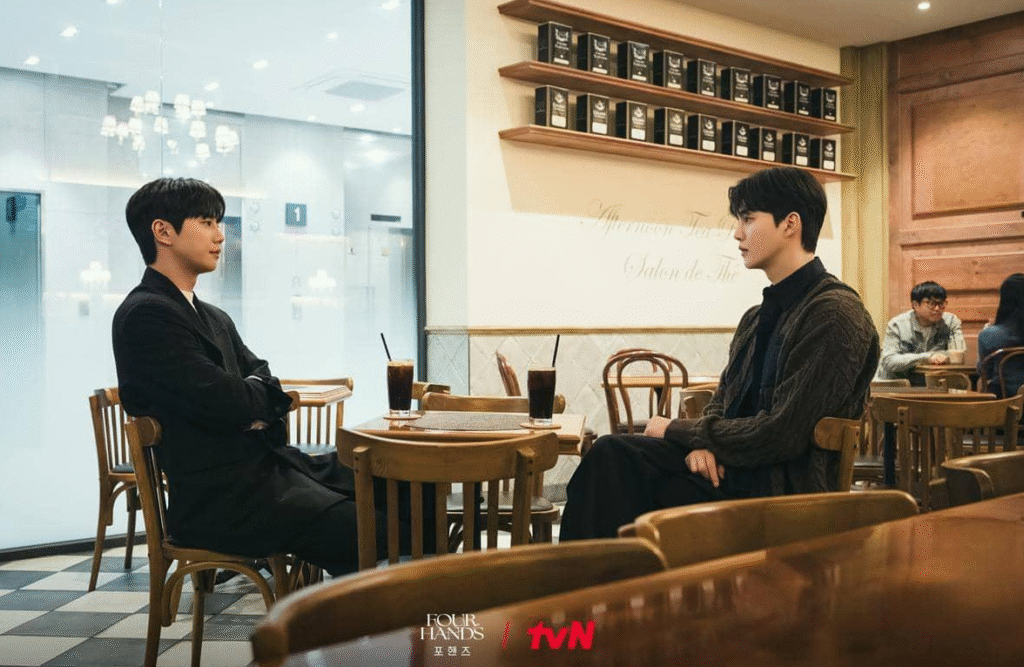
Music as a Language of Trust
For Pi-o and Jeong-yo, music has always been more than a career.
It represents the emotions they struggle to communicate through ordinary conversation.
Jeong-yo’s transformation from pianist to conductor is particularly meaningful.
Although he has stepped away from his former identity, music remains an essential part of his life.
His return suggests that the past cannot be completely erased, even when someone attempts to leave it behind.
Meanwhile, Pi-o continues to hold on to the musical memories that once connected them.
Their challenge is no longer simply to perform together.
They must decide whether the trust that made their music possible can ever be restored.
Final Thoughts: Can Pi-o and Jeong-yo Find Harmony Again?
Four Hands, Two Sonatas combines musical rivalry with an emotional story about separation, identity, and unresolved trauma.
The revelation surrounding Jeong-yo’s memories is especially effective because it changes how viewers interpret his previous actions.
What initially appears to be cold indifference gradually reveals a deeper conflict involving fear and self-protection.
Pi-o’s determination to find Jeong-yo also becomes more complicated. His loyalty is moving, but his expectations cannot automatically erase the years they have spent apart.
Both characters must recognize that they are no longer the same young pianists who once shared a dream.
That is what makes their reunion so compelling.
Rather than offering an immediate reconciliation, the story asks whether two people can find their way back to each other after years of silence.
Ultimately, Four Hands, Two Sonatas is about more than musical talent or competition.
It is about learning to listen, accepting painful truths, and discovering whether broken relationships can create harmony once again.
And perhaps that is the real meaning of four hands: two people who must learn to trust each other before they can make beautiful music together.

Four Hands, Two Sonatas: Drama Information
- Korean Title: 포핸즈
- English Title: Four Hands, Two Sonatas
- Genre: Music, Youth, Coming-of-Age, Drama
- Network: tvN
- Streaming: Netflix
- Episodes: 12
- Broadcast Period: August 29 – October 4, 2026
- Main Cast: Song Kang, Lee Jun-young, Jang Gyu-ri
- Director: Park Hyeon-seok
- Writer: Shin Yee-won
Official Drama & Reference Resources
For more information about the series, visit the official sources below.
- Four Hands, Two Sonatas – Netflix Official Page
- Four Hands – tvN Official Website
- Four Hands, Two Sonatas – Netflix Official Trailer
More Reviews from Go K Wave
If you enjoyed this emotional Korean drama, explore more stories about complicated relationships, hidden truths, and unforgettable characters.
- We Are All Trying Here Review – A Powerful Emotional Ending — A thoughtful Korean drama about emotional struggles, personal growth, and the search for meaning.
- The Scarecrow Review – A Korean Crime Thriller Worth Watching — A gripping mystery exploring hidden truths, painful memories, and the consequences of an unresolved past.
- My Royal Nemesis Ending Explained – Love, Fate, and Reunion — A fantasy romance about love, separation, and finding each other despite unexpected circumstances.
Discover more Korean drama reviews and ending explanations at Go K Wave.