Faith, Fanaticism, and Benoit Blanc’s Darkest Investigation
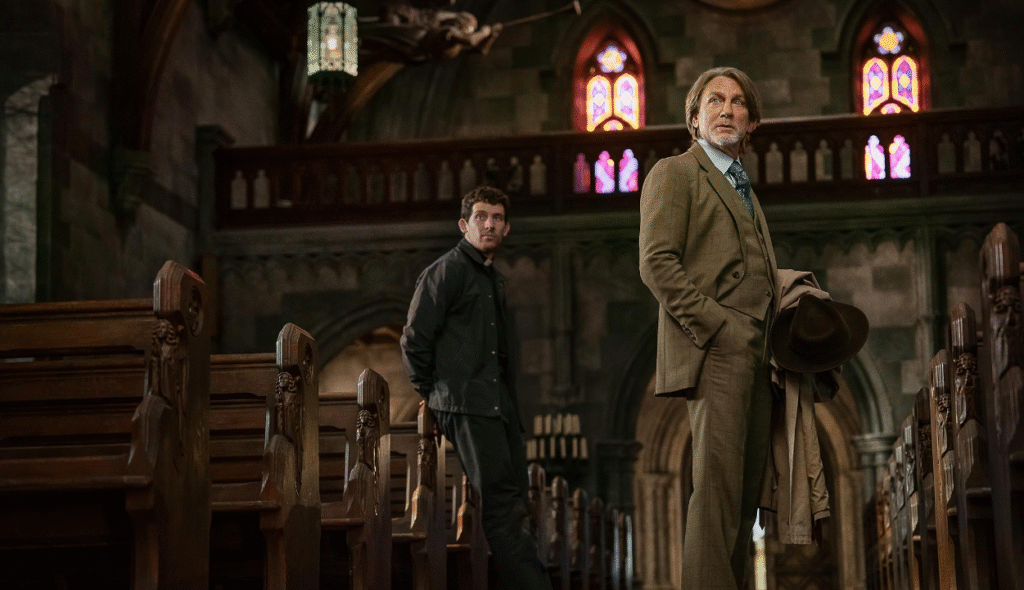
Wake Up Dead Man A Knives Out is the third installment in Rian Johnson’s Knives Out franchise, released on Netflix on December 12.
Rian Johnson returns with the third installment of the Knives Out franchise, Wake Up Dead Man: A Knives Out Mystery, released on Netflix on December 12.
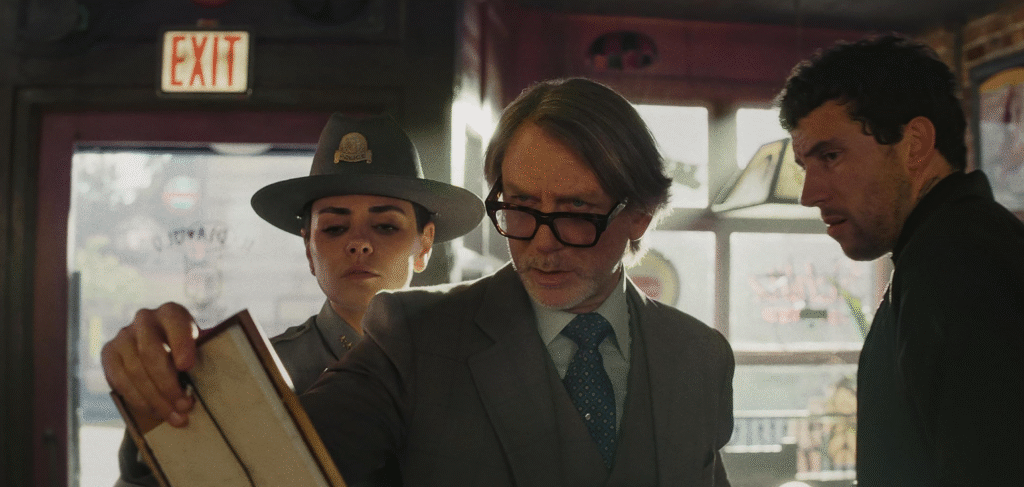
This entry deliberately steps away from the glossy extravagance of Glass Onion and instead confines itself to a remote village church—an isolated, oppressive space where belief, power, and guilt quietly rot beneath the surface.
In doing so, the film feels like a thematic return to the original Knives Out, but with a far darker and more confrontational tone.
Film Information
- Release: December 12, 2025 (Netflix)
- Genre: Mystery / Thriller / Black Comedy
- Runtime: 146 minutes
- Director: Rian Johnson
- Cast: Daniel Craig, Josh O’Connor, Glenn Close, Josh Brolin, Kerry Washington, Andrew Scott, Jeremy Renner, Cailee Spaeny, Thomas Haden Church, and others
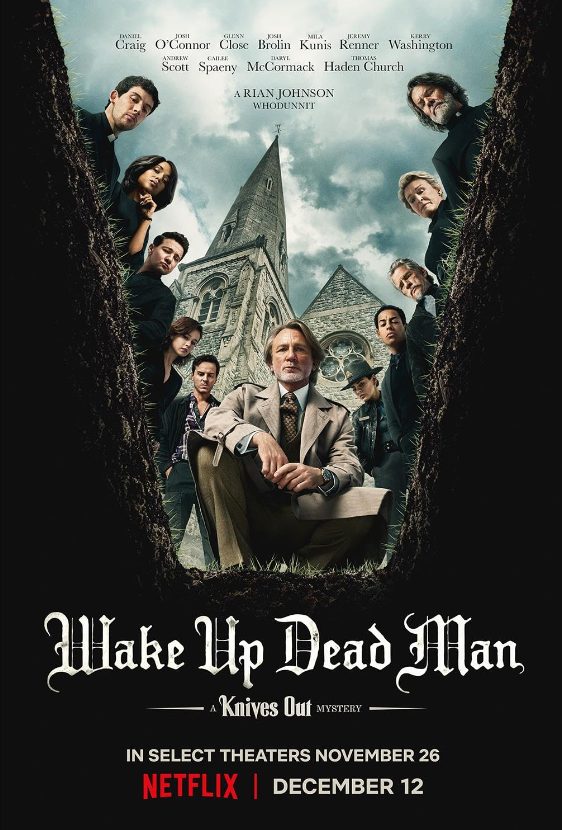
A Murder Where Faith Should Have Protected Everyone
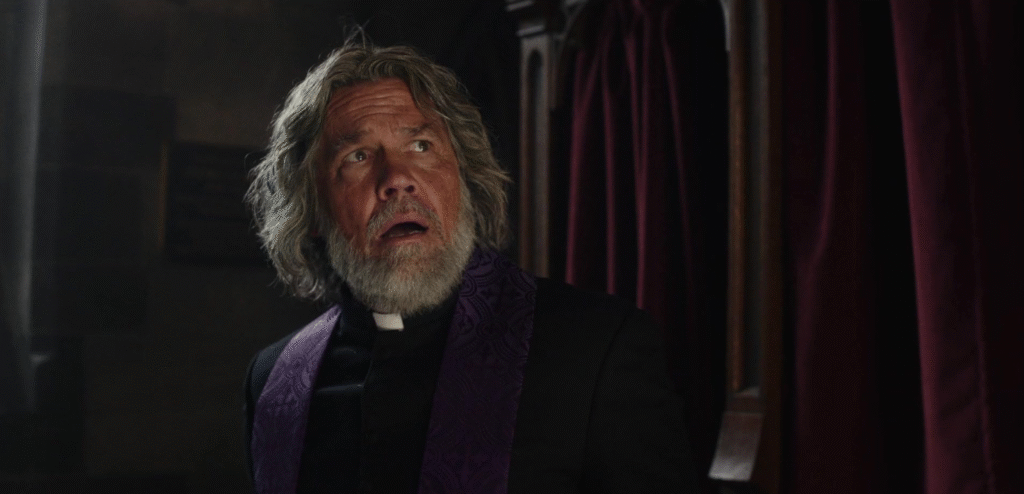
The story centers on Jude Duplentis, a young priest burdened by a violent past. Once a professional boxer, Jude accidentally killed an opponent in the ring—an act that drives him toward the priesthood in search of redemption.
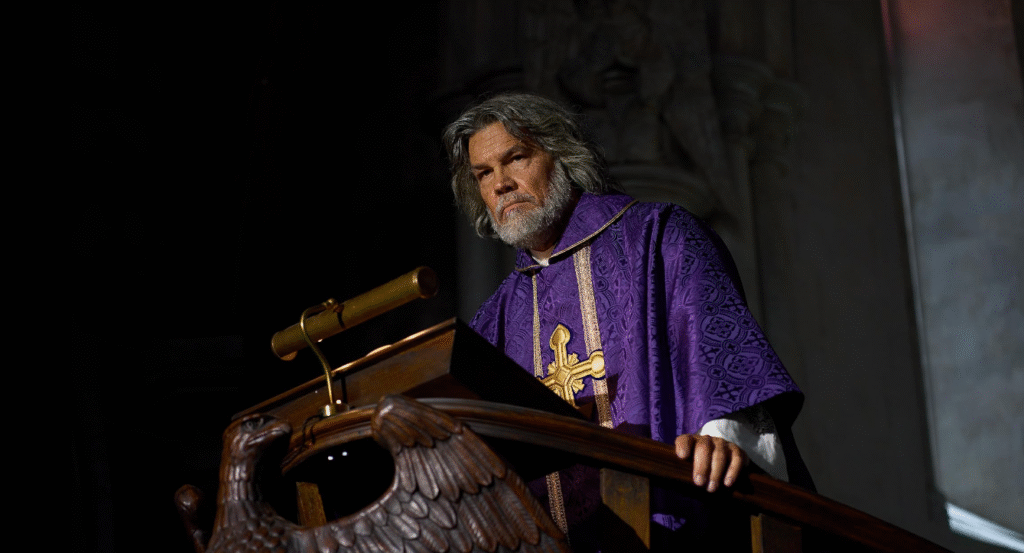
After a controversial incident involving another clergyman, Jude is reassigned to the isolated Church of the Eternal Virgin, where he comes under the authority of Monsignor Jefferson Wicks. Wicks is a charismatic yet terrifying figure—one who cloaks dominance, intimidation, and cruelty in the language of faith.
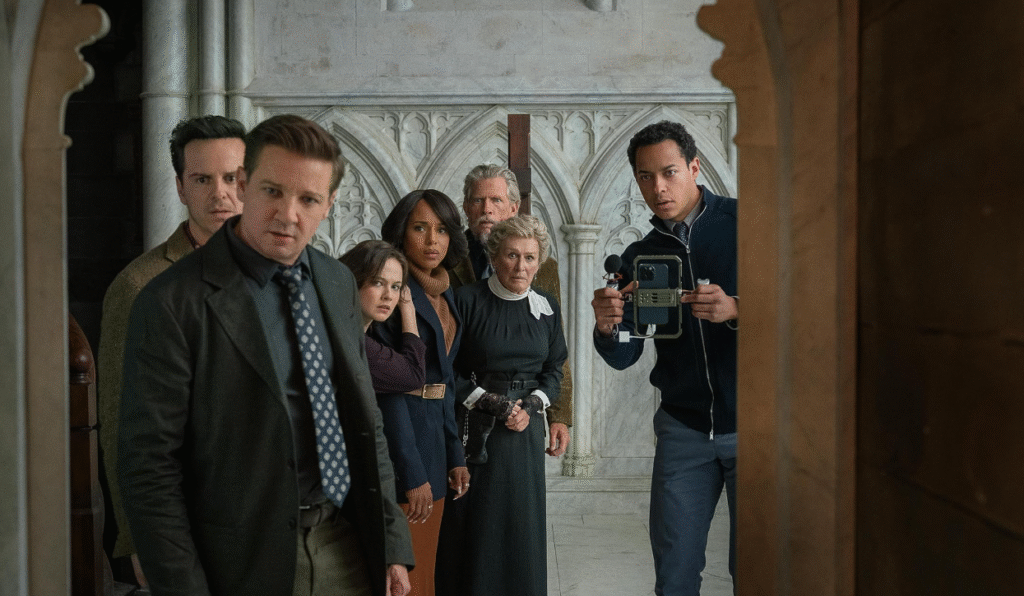
The church’s congregation follows him with near-fanatical devotion, leaving little room for doubt, compassion, or dissent.
When Wicks is found murdered inside the church—a place where violence feels unthinkable—Jude immediately becomes the primary suspect.
To investigate, local authorities summon private detective Benoit Blanc.

A Mystery About Belief, Not Just Guilt
Unlike traditional whodunits that hinge on misdirection and hidden clues, Wake Up Dead Man focuses on something more unsettling: everyone has a reason to be guilty.
Each supporting character embodies a distorted form of belief:
- A celebrated musician who turns to religion after illness ends her career
- A failed political aspirant hiding ambition behind piety
- A doctor numbing abandonment and shame with alcohol
- Devout followers who confuse obedience with faith
Here, religion is not portrayed as salvation, but as a tool—used to justify cruelty, suppress truth, and absolve responsibility.
The murder does not feel like a shocking disruption; it feels inevitable.
Within this framework, Wake Up Dead Man A Knives Out reframes the mystery as a moral inquiry rather than a simple puzzle to be solved.
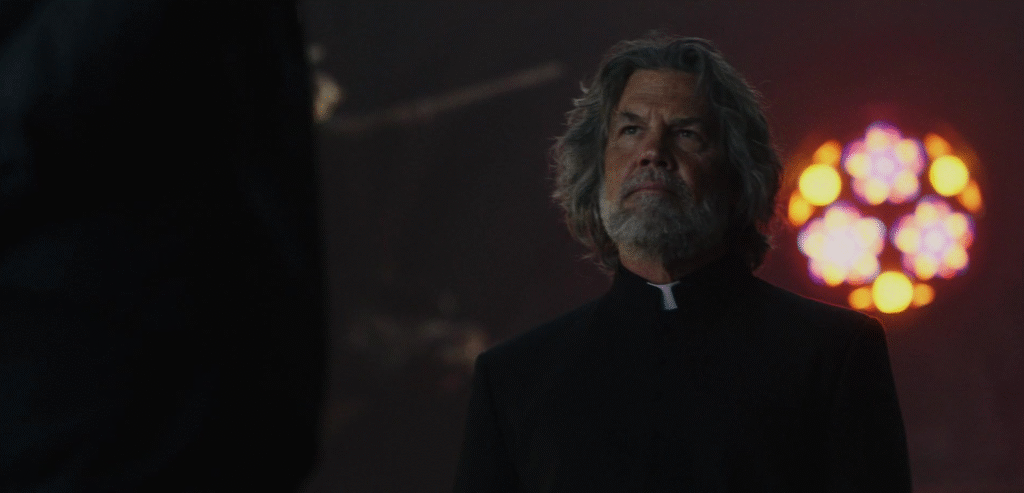
Josh O’Connor as the Emotional Core
While Benoit Blanc remains the franchise’s constant, this film belongs equally—if not more—to Josh O’Connor.
As Jude, O’Connor delivers a restrained, deeply human performance. His character is plagued by doubt and self-loathing, yet he remains the only figure genuinely searching for truth rather than validation. Jude’s quiet resistance to fanaticism becomes the film’s moral anchor.
Much like Ana de Armas in the first film and Janelle Monáe in the second, O’Connor occupies the role of emotional counterbalance—making Jude the true co-protagonist of this chapter.

A Subdued but Intentional Benoit Blanc
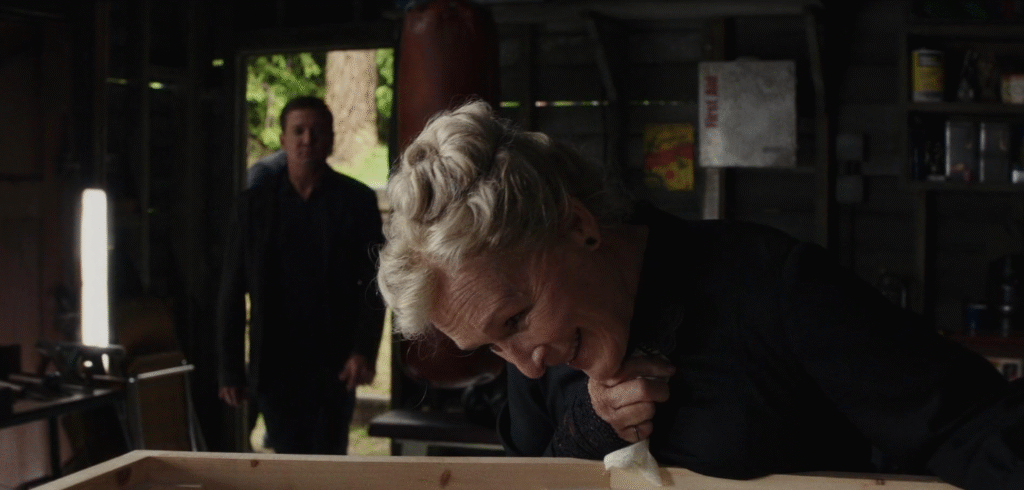
Daniel Craig’s Benoit Blanc is still unmistakably himself—eccentric, observant, and faintly theatrical. However, his role here is notably restrained.
Instead of dominating the narrative with flamboyant deductions, Blanc often steps back, listens, and allows people to expose themselves. This shift may divide audiences: some will appreciate the maturity and restraint, while others may miss the playful sharpness of earlier cases.
Either way, the change feels intentional—a reflection of the story’s heavier thematic weight.

Smaller Scale, Darker Intent
Each Knives Out film interrogates a different societal obsession:
- Knives Out (2019): Wealth, family, and class
- Glass Onion (2022): Technology, ego, and modern power
- Wake Up Dead Man (2025): Faith, fanaticism, and moral corruption
This third installment is visually and tonally the darkest. Muted colors, cold interiors, and gothic imagery reinforce a suffocating sense of decay. Humor still exists, but it is sharper and more uncomfortable—used to provoke rather than entertain.
By narrowing its scope and atmosphere, Wake Up Dead Man A Knives Out deliberately strips away spectacle to expose the psychological and ethical failures of its characters.

Final Thoughts
As a trilogy entry, Wake Up Dead Man A Knives Out is not designed to please everyone.
Viewers seeking rapid-fire twists and flashy spectacle may find it subdued.
Those drawn to character-driven mysteries, moral inquiry, and social critique will likely find it compelling.
What the film undeniably achieves is refusal to stagnate. Rather than repeating past successes, it challenges the audience with uncomfortable questions:
- How far can belief distort morality before it turns violent?
- Who truly deserves forgiveness—God, or the people harmed?
Set within a single church, among deeply broken individuals, this entry trades clever theatrics for haunting reflection.
For fans of the original Knives Out, and for viewers who enjoy mysteries that linger rather than dazzle, this case is worth unraveling.
Viewed within the broader franchise, Wake Up Dead Man A Knives Out functions less as a traditional mystery and more as a thematic examination of belief, authority, and moral responsibility.
Official Streaming & Production Resources
- Netflix — Wake Up Dead Man: A Knives Out Mystery
https://www.netflix.com - IMDb — Wake Up Dead Man: A Knives Out Mystery (2025)
https://www.imdb.com - Rian Johnson — IMDb Director Profile
https://www.imdb.com/name/nm0426059/
Recommended Articles from Go K Wave
- MURDER REPORT (2025) REVIEW: REASONS IT FEELS UNSETTLING
https://gokwv.com/murder-report-review/ - MY DAUGHTER IS A ZOMBIE REVIEW │ A POWERFUL TWIST
https://gokwv.com/my-daughter-is-a-zombie-review/