Overview
The Judge Returns blends legal thriller tension with a time-slip premise to create a drama that feels both cerebral and emotionally heavy. While many courtroom series focus on winning cases, this show interrogates something deeper: the long shadow of a verdict.
Here, justice is not a moment.
It is a chain reaction.
The series follows a judge forced to confront the human cost of his past rulings when fate grants him the impossible — the chance to live those moments again. But the drama quickly makes one thing clear: rewinding time does not erase consequence. It multiplies it.
This is a legal drama about responsibility, not heroism.

Story (Spoiler-Free)
After years of morally compromised decisions shaped by power, politics, and quiet corruption, a once-renowned judge dies burdened by guilt. Instead of an ending, he wakes up ten years earlier, standing in the courtroom that defined his downfall.
He remembers everything.
Every ruined defendant.
Every manipulated trial.
Every life quietly broken by legal technicalities.
Now he must relitigate his own history.
Each episode revisits a case that once seemed routine but now reveals catastrophic ripple effects. Changing a ruling isn’t a simple moral victory — it triggers unpredictable consequences that spread beyond the courtroom.
The time-slip structure transforms the narrative into a philosophical puzzle:
Can justice exist without collateral damage?
The show never gives easy answers.
It forces the judge — and the viewer — to sit inside the discomfort.


Thematic Depth
What elevates The Judge Returns above standard legal dramas is its obsession with ethical ambiguity.
The judge is not correcting paperwork.
He is negotiating with destiny.
Every altered decision raises new dilemmas:
- saving one victim endangers another
- exposing corruption destabilizes institutions
- mercy invites exploitation
- strict law invites cruelty
The drama suggests that justice is not a destination.
It is an unstable balance.
Time travel becomes a metaphor for accountability. The judge cannot escape his past; he can only reinterpret it. And interpretation, the show argues, is the most dangerous power a legal authority holds.
This theme resonates strongly in a world where legal systems often claim objectivity while operating inside human imperfection.

Tone & Direction
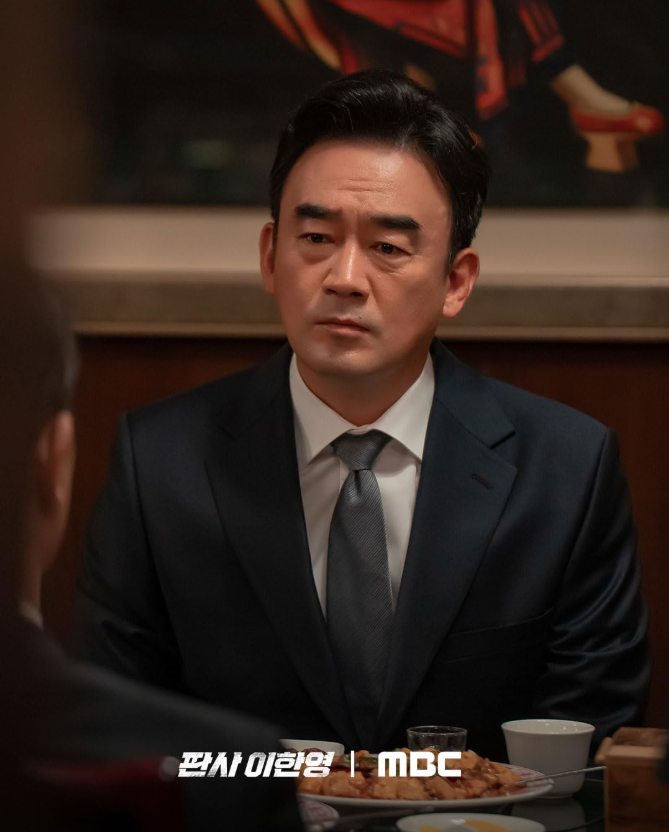
The series is deliberately restrained. It avoids melodrama and spectacle in favor of controlled tension.
Courtroom scenes are filmed with surgical precision:
- static frames that trap characters
- quiet pauses heavier than dialogue
- lighting that drains warmth from the space
- pacing that mirrors judicial procedure
Time-slip moments are understated. There are no flashy visual effects. Instead, the shift in time feels psychological, like a weight pressing down on the protagonist’s consciousness.
The atmosphere is clinical, almost suffocating — a reminder that justice operates inside cold systems, not heroic fantasies.

Performances
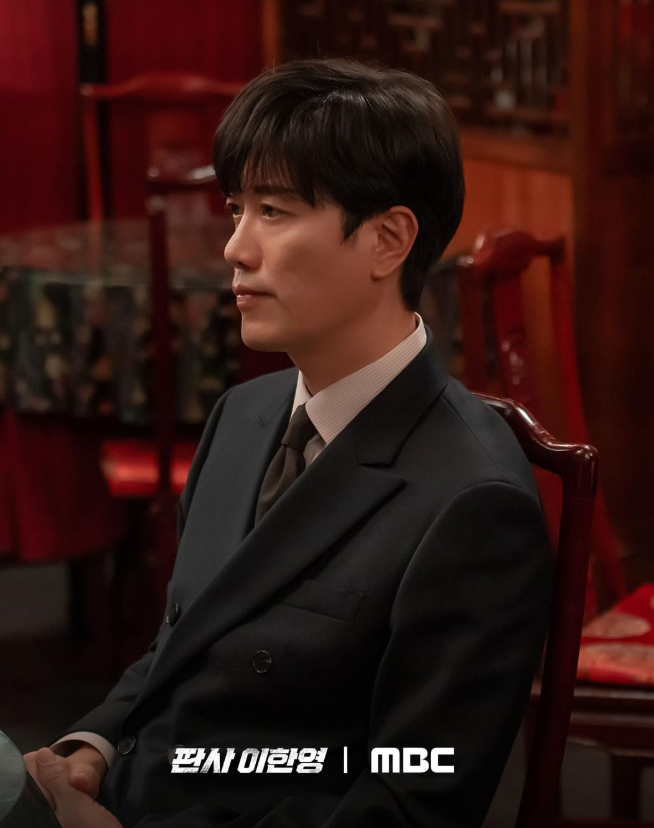
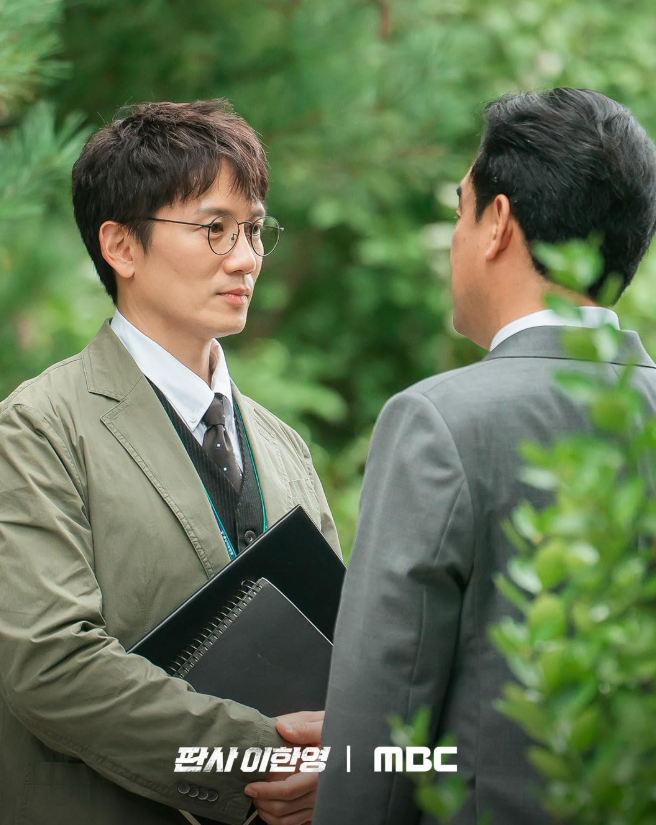
The lead actor delivers a performance built on internal conflict. The judge speaks little, but his hesitation carries history. Every decision feels rehearsed against memory.
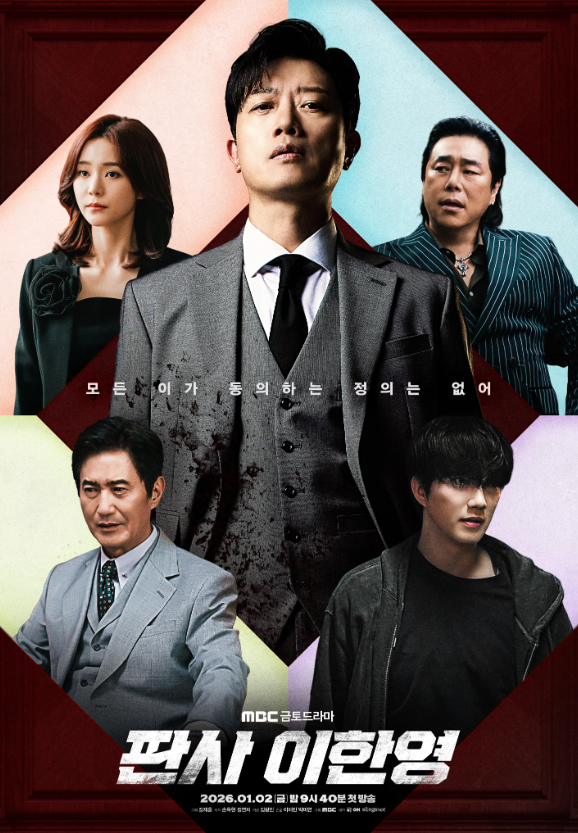
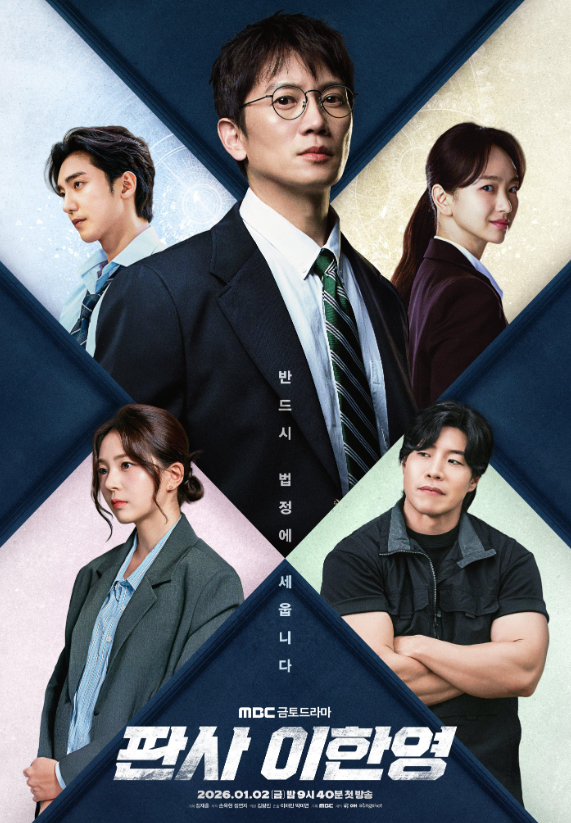
Supporting characters function less as simple allies or enemies and more as embodiments of institutional forces:
- prosecutors representing ambition
- lawyers representing manipulation
- politicians representing survival
- victims representing silent consequence
No character is innocent.
That collective complicity is central to the drama’s power.
Narrative Structure
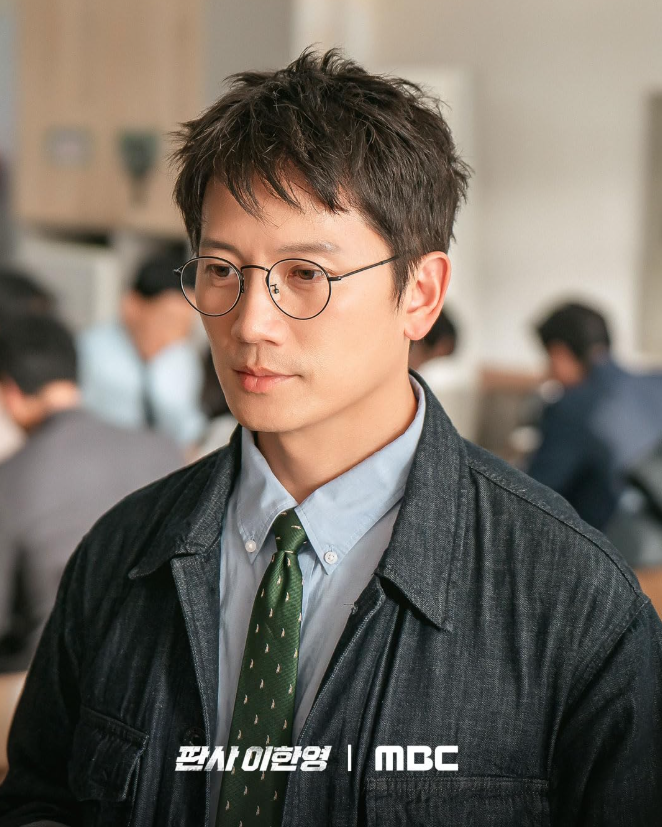
Each episode operates like a legal case study intertwined with an evolving character arc. The courtroom drama provides procedural momentum, while the time-slip arc supplies existential tension.
The structure avoids repetition by escalating stakes:
early cases explore personal guilt
later cases confront systemic corruption
final cases question whether reform is even possible
The judge gradually realizes he is not only fighting past rulings — he is confronting the architecture that produced them.
That shift expands the series from personal redemption story into institutional critique.


Final Verdict
The Judge Returns rejects the fantasy that justice can be perfected through one man’s resolve. Instead, it portrays justice as fragile, negotiated, and exhausting.
The time-slip device does not grant power.
It exposes limits.
By the end, the drama leaves viewers with a lingering unease:
even when history is rewritten, morality remains unstable.
And that discomfort is precisely the point.
This is a courtroom drama for viewers who want philosophy inside their suspense — a series that treats law not as victory, but as an endless argument with consequence.
A rare legal thriller that asks you to think long after the verdict is delivered.
🔗 Official Streaming & Verified Resources
📺 Official Broadcasting & Production
MBC Official Page — The Judge Returns
https://program.imbc.com/TheJudgeReturns
🎭 Cast Profiles & Credibility Links
Ji Sung — Wikipedia
https://en.wikipedia.org/wiki/Ji_Sung
📚 Related Reviews from Go K Wave
Can This Love Be Translated? Ending Explained | Dorami’s Secret
https://gokwv.com/can-this-love-be-translated-ending-explained/
To My Beloved Thief Review: Secrets, Identity, and Forbidden Love
https://gokwv.com/to-my-beloved-thief-review/
Undercover Miss Hong Review | Why This Is the Most Important Corporate Thriller
https://gokwv.com/undercover-miss-hong-review/
Spring Fever Review: When Love Feels Like a Season That Never Fully Blooms
https://gokwv.com/spring-fever-korean-drama-review/