
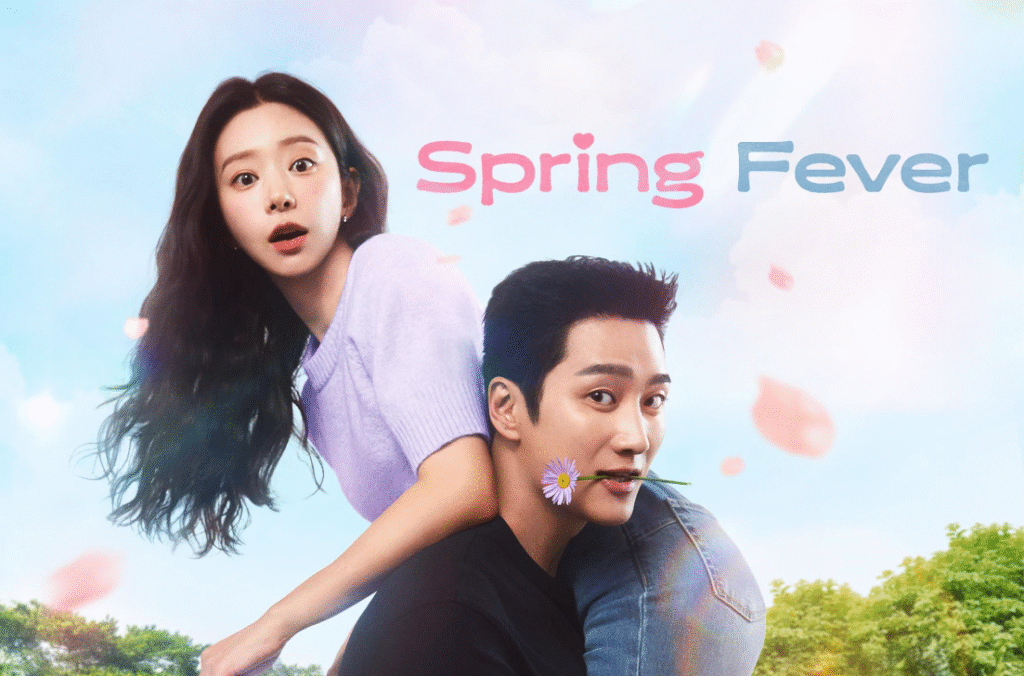
In a genre often driven by dramatic twists and heightened emotions, Spring Fever takes a refreshingly restrained approach. Rather than chasing shock value or fast-paced romance, the series chooses to linger in the fragile emotional space that exists before love is fully realized. It is a drama less concerned with what happens, and more focused on how people feel while waiting for something to happen.
This deliberate slowness is precisely what makes Spring Fever both divisive and memorable.
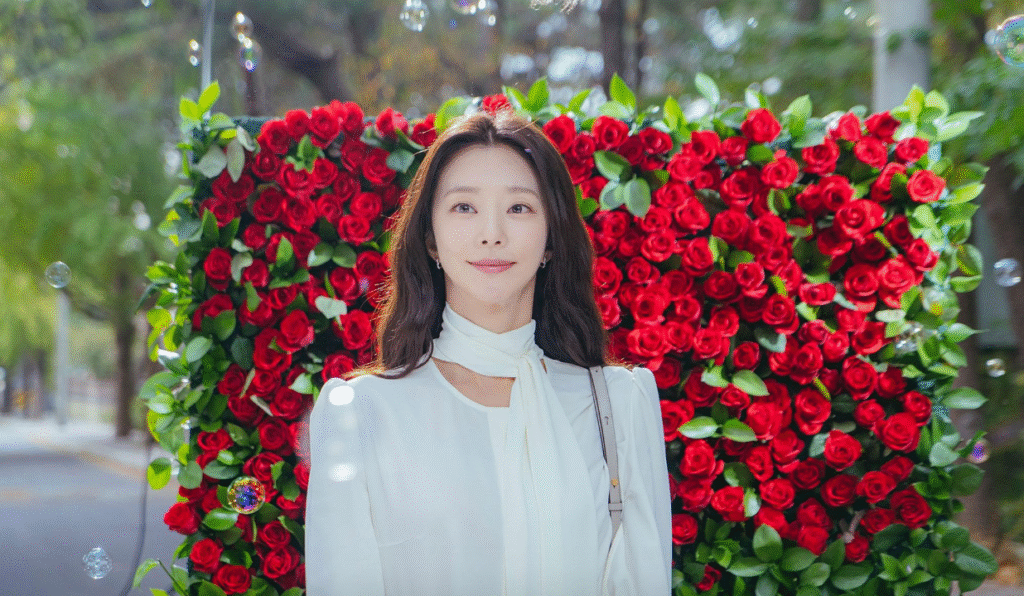
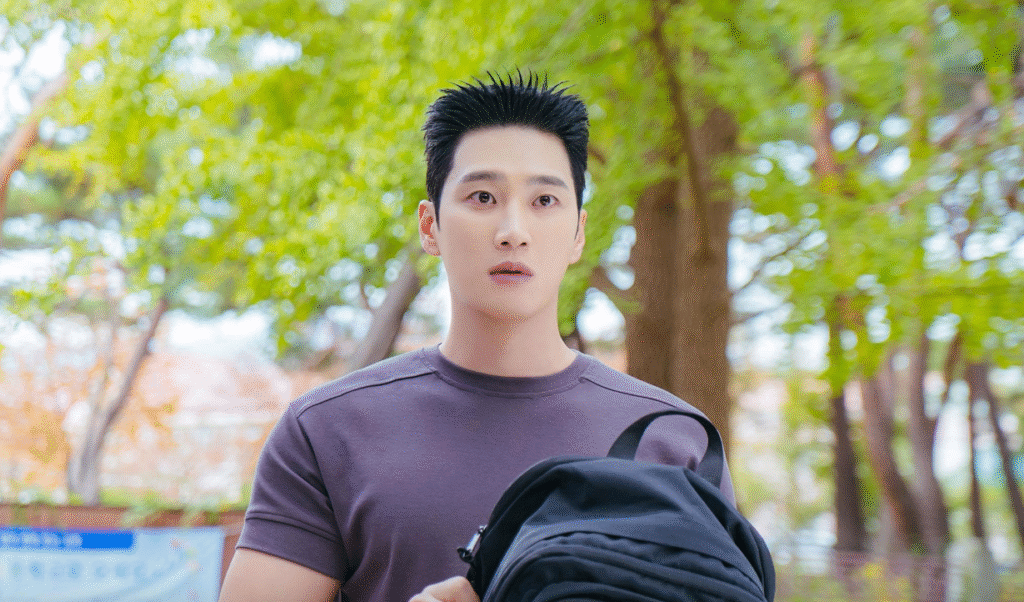
A Story Built on Emotion, Not Events
At its core, Spring Fever is a character-driven drama. The plot follows several individuals who find themselves emotionally adrift—people who are not broken, but hesitant. Each character carries unresolved feelings from the past, whether it is disappointment, emotional fatigue, or fear of vulnerability.
Rather than constructing dramatic obstacles, the series allows tension to arise naturally from emotional misalignment. Someone falls too quickly. Someone else cannot move forward. Another recognizes their feelings but chooses silence. The drama unfolds through these small, human moments—glances held a second too long, conversations that stop just before a confession, and choices defined more by restraint than action.
This approach may feel understated, but it mirrors real emotional experiences with striking accuracy.
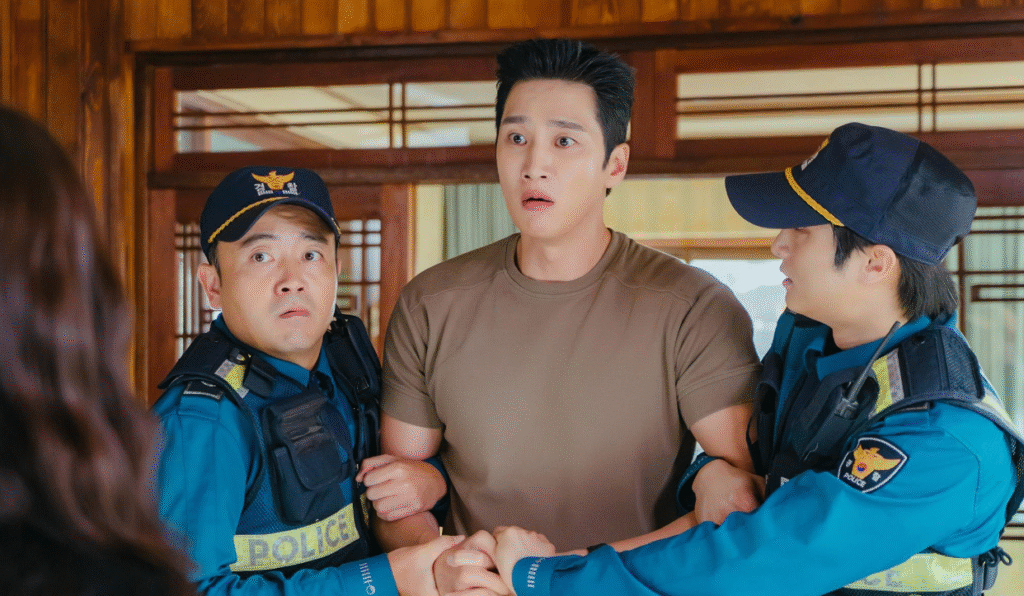
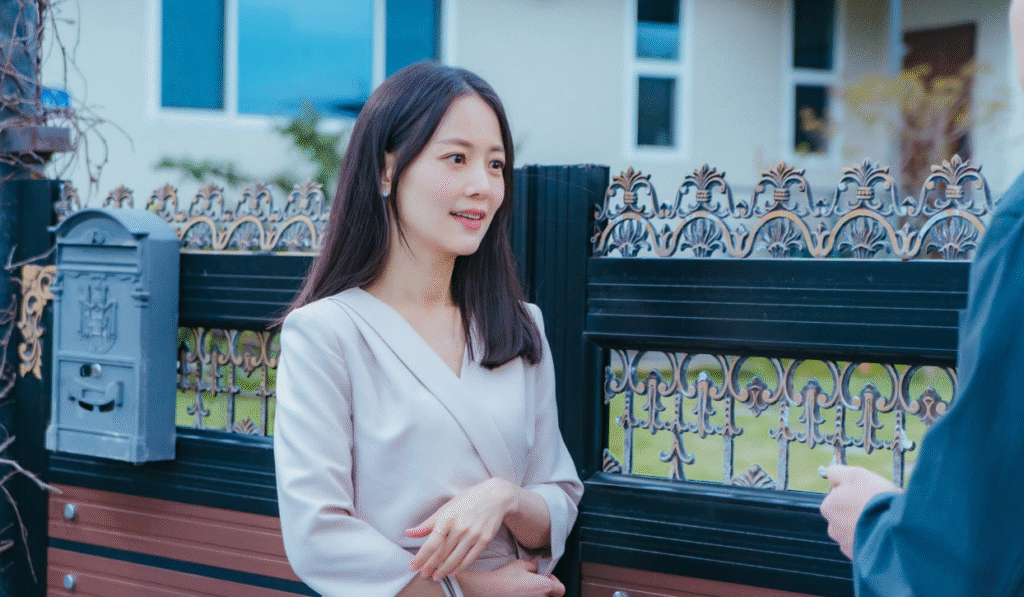
Characters and the Problem of Emotional Timing
One of Spring Fever’s most compelling strengths is how it portrays emotional timing. Love does not fail in this story because it is insincere. It fails because people are rarely ready at the same moment.
The characters are not divided into heroes and antagonists. Instead, they represent different emotional speeds. Some are already moving forward, others remain anchored to the past, and a few hover uncertainly in between. This imbalance creates quiet tension that feels deeply familiar to anyone who has experienced relationships shaped by hesitation rather than rejection.
By refusing to simplify its characters, the drama allows viewers to empathize with everyone involved—even when their decisions feel frustrating.
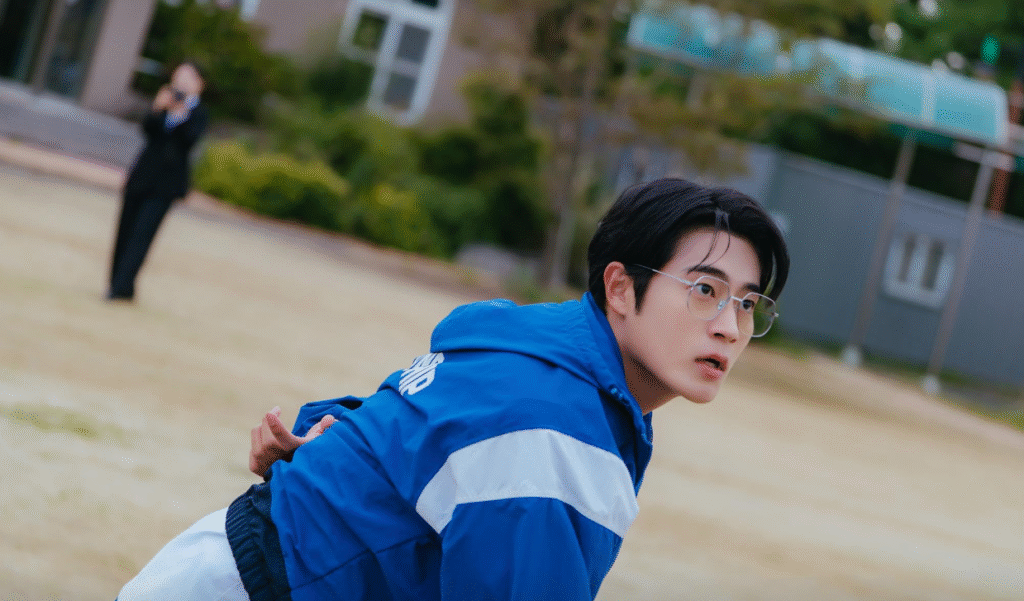

Direction, Cinematography, and the Use of Silence
Visually, Spring Fever embraces minimalism. Long takes, soft lighting, and carefully composed frames dominate the series. Silence is frequently used as a storytelling device, often conveying more than dialogue ever could.
The pacing reflects the internal state of the characters. Scenes are allowed to breathe, encouraging viewers to observe facial expressions, body language, and emotional subtext. Rather than instructing the audience how to feel, the drama invites quiet contemplation.
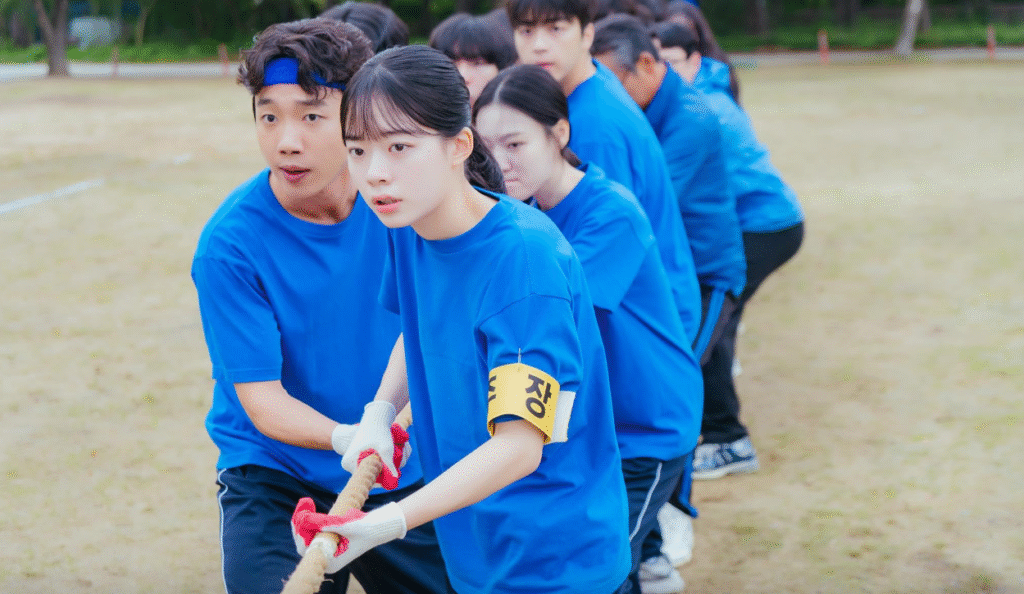
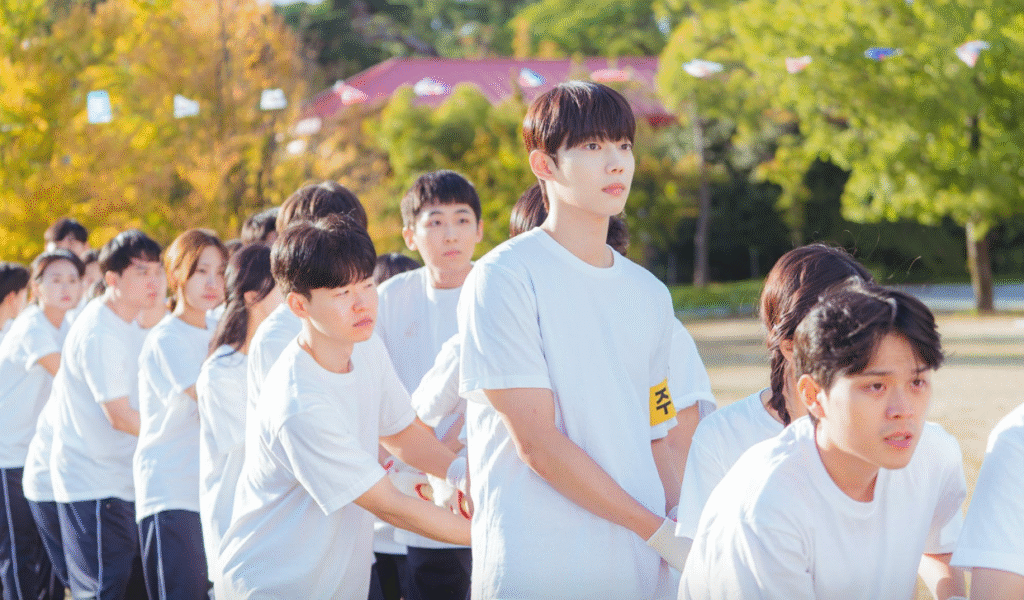
Spring as an Emotional Metaphor
The title Spring Fever is deeply symbolic. Spring, often associated with renewal and optimism, is reimagined here as a season of uncertainty. It is not the moment of full bloom, but the uneasy period before growth is guaranteed.
The characters exist in this same in-between state—caught between emotional dormancy and emotional risk. Love feels possible, but not safe. Hope is present, but fragile. This metaphor is woven seamlessly into the drama’s visual language and narrative structure.

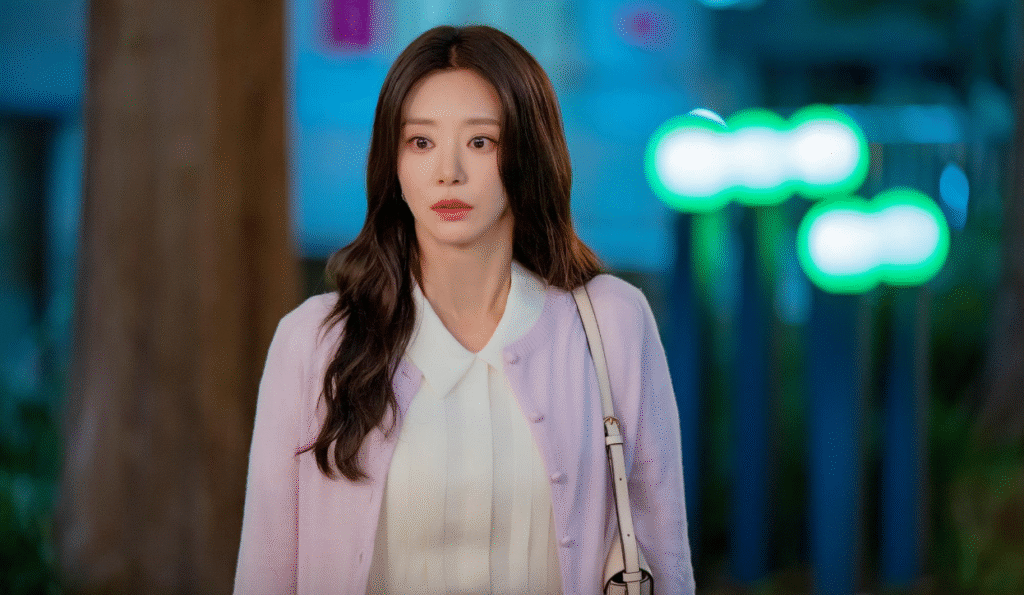
Why the Drama Divides Viewers
Strengths
- Realistic portrayal of emotional hesitation
- Subtle, introspective storytelling
- Strong atmosphere and cohesive visual identity
Challenges
- Slow pacing may test viewers expecting traditional romance
- Minimal external conflict
- Emotional restraint can feel distant to some audiences
Spring Fever rewards patience. Viewers who appreciate slow-burn storytelling and emotional realism are likely to find the experience deeply resonant. Those seeking high-stakes drama may struggle to connect.

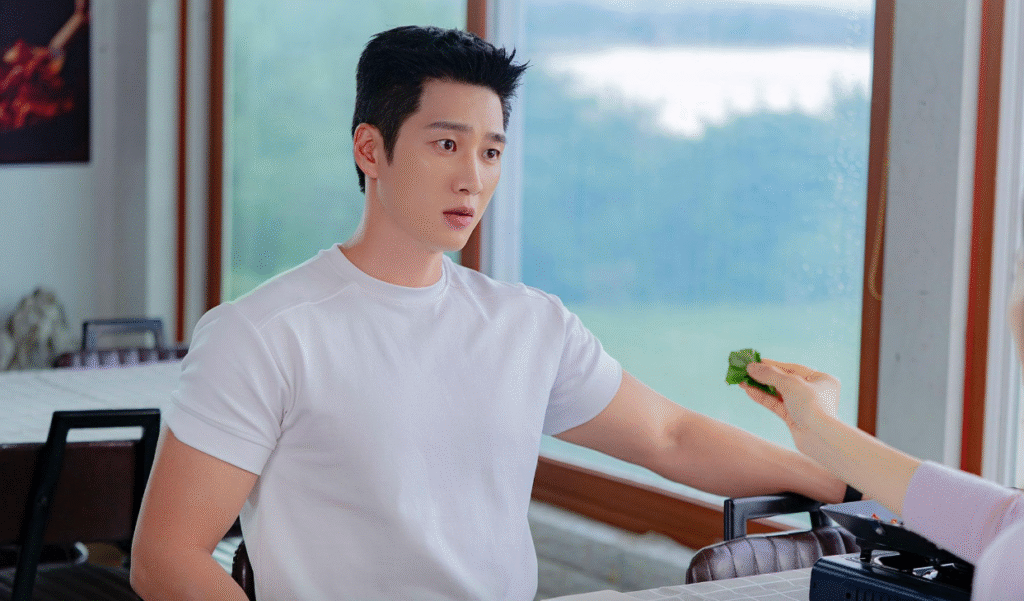
Themes: Vulnerability in Modern Relationships
One of the drama’s most resonant themes is emotional caution. The characters are not afraid of love itself, but of the consequences that come with it—disappointment, loss, and emotional exposure. This reflects a broader commentary on modern relationships, where emotional self-protection often overrides impulsive connection.
Loneliness, even within closeness, is another recurring motif. Despite frequent interactions, the characters often feel isolated, trapped within their own thoughts and unresolved emotions.

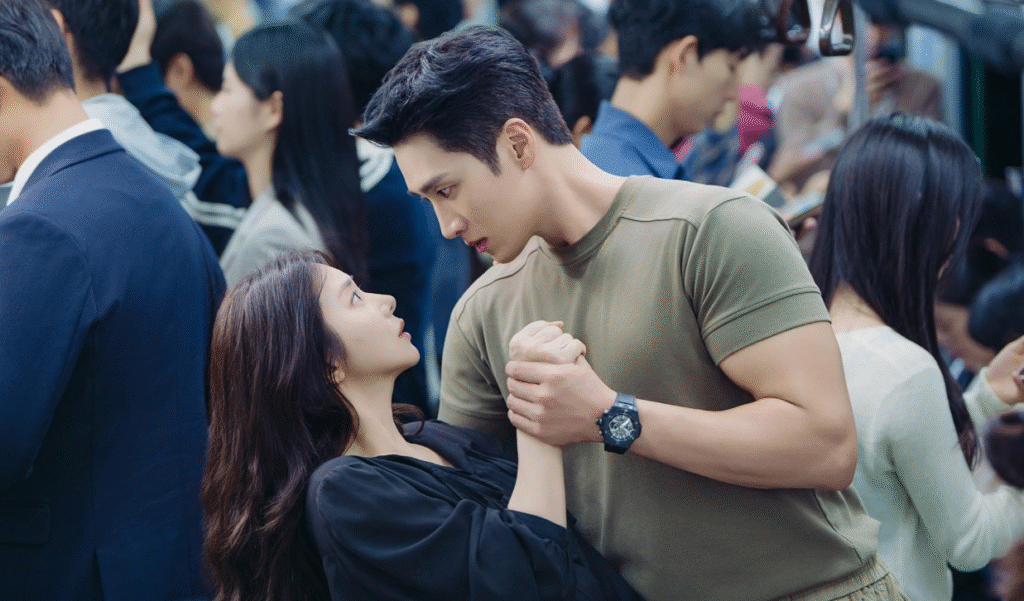
Final Verdict
Spring Fever is not a drama designed to impress instantly.
It is a slow, thoughtful exploration of emotional hesitation and quiet longing.
For some, it will feel uneventful.
For others, it will feel uncomfortably real.
If you value character depth, emotional nuance, and storytelling that mirrors real-life relationships, Spring Fever is a drama worth sitting with.

🔗 Official Streaming & Verified Resources
Official Broadcasting & Production
tvN Official Page — Spring Fever
https://tvn.cjenm.com
🎭 Cast Profiles & Credibility Links
https://en.wikipedia.org/wiki/Ahn_Bo-hyun
https://en.wikipedia.org/wiki/Lee_Joo-bin
📚 Related Reviews from Go K Wave
No Tail to Tell (2026) Review | Fox Spirit Romance
https://gokwv.com/no-tail-to-tell-review/
Can This Love Be Translated? Ending Explained | Dorami’s Secret
https://gokwv.com/can-this-love-be-translated-ending-explained/
When Life Gives You Tangerines – A Powerful and Emotional Review
https://gokwv.com/when-life-gives-you-tangerines-review-ending/
Undercover Miss Hong Review | Why This Is the Most Important Corporate Thriller
https://gokwv.com/undercover-miss-hong-review/