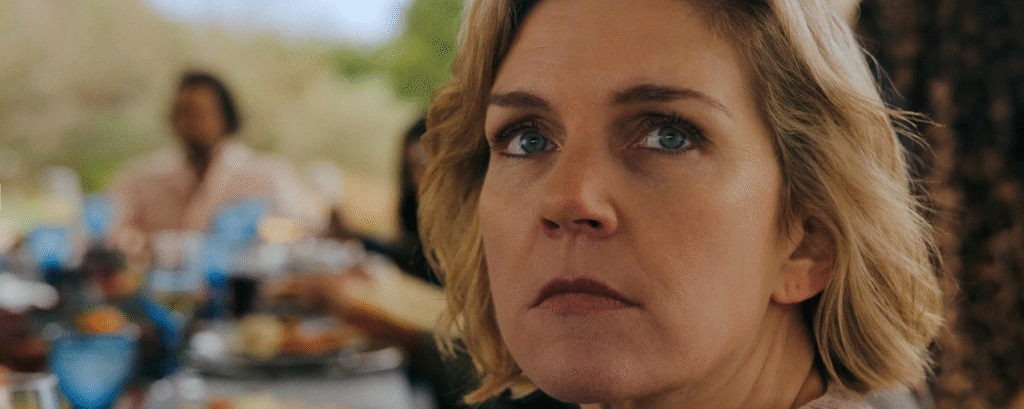
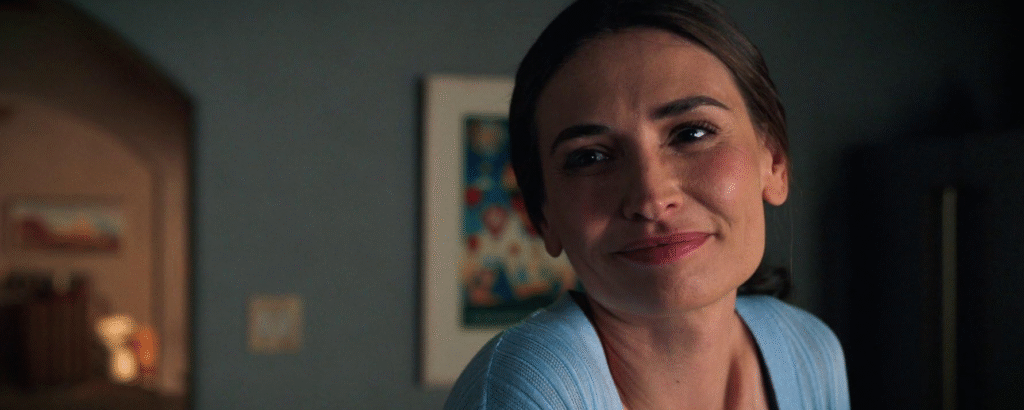
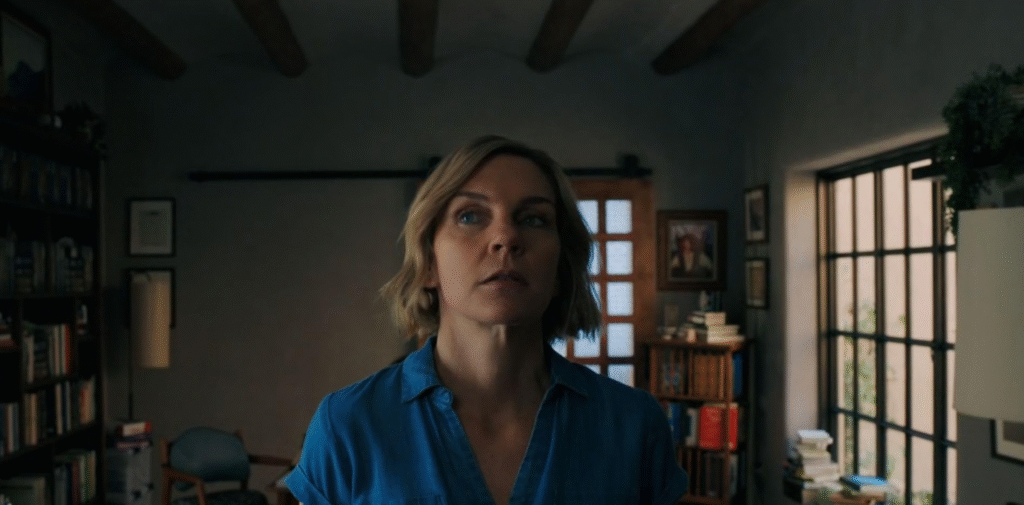
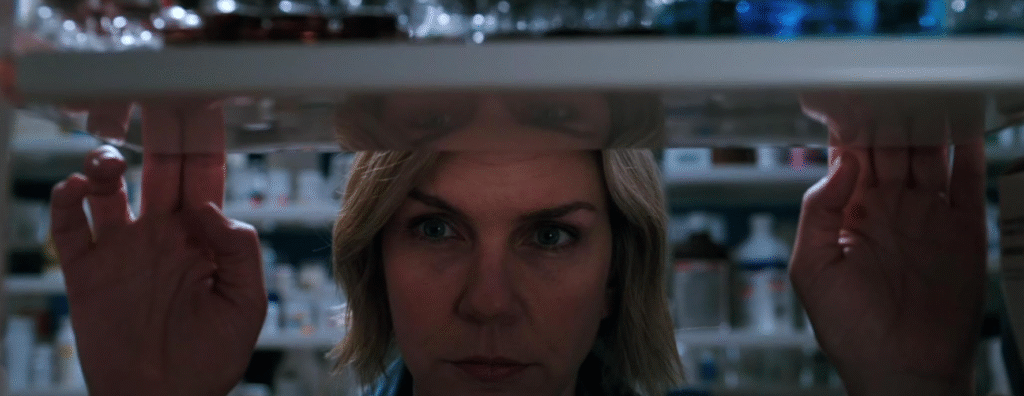
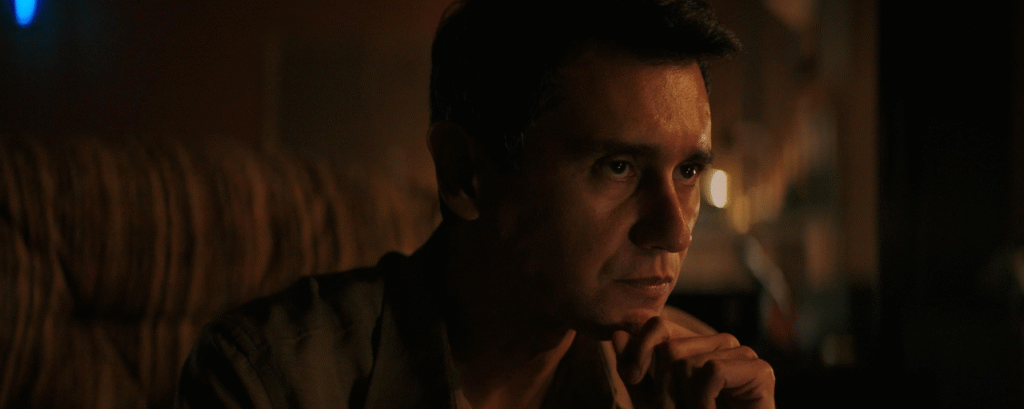
Pluribus: The Age of Happiness opens with a deceptively calm vision of the future. In this world, anger, grief, and dissatisfaction have vanished, replaced by a shared emotional harmony that promises permanent happiness. Created by Breaking Bad mastermind Vince Gilligan, Pluribus immediately raises an unsettling question: what happens when happiness is no longer a choice, but a condition imposed on everyon
“In a world where everyone is happy, the most dangerous emotion left is doubt.”
Pluribus and a World Where Nothing Hurts — and That’s the First Red Flag
At first glance, Pluribus: The Age of Happiness feels almost gentle. There are no ruined cities, no desperate survivors, no constant threat of violence. People wake up smiling. Conversations are calm. Conflict feels obsolete.
However, this is not the apocalypse audiences have been conditioned to expect.
Instead, Pluribus imagines something far more unsettling: a world where the system erases unhappiness — not through growth or enlightenment, but through infection. A mysterious phenomenon spreads across humanity, quietly synchronizing emotions until anger, grief, resentment, and fear simply… disappear.
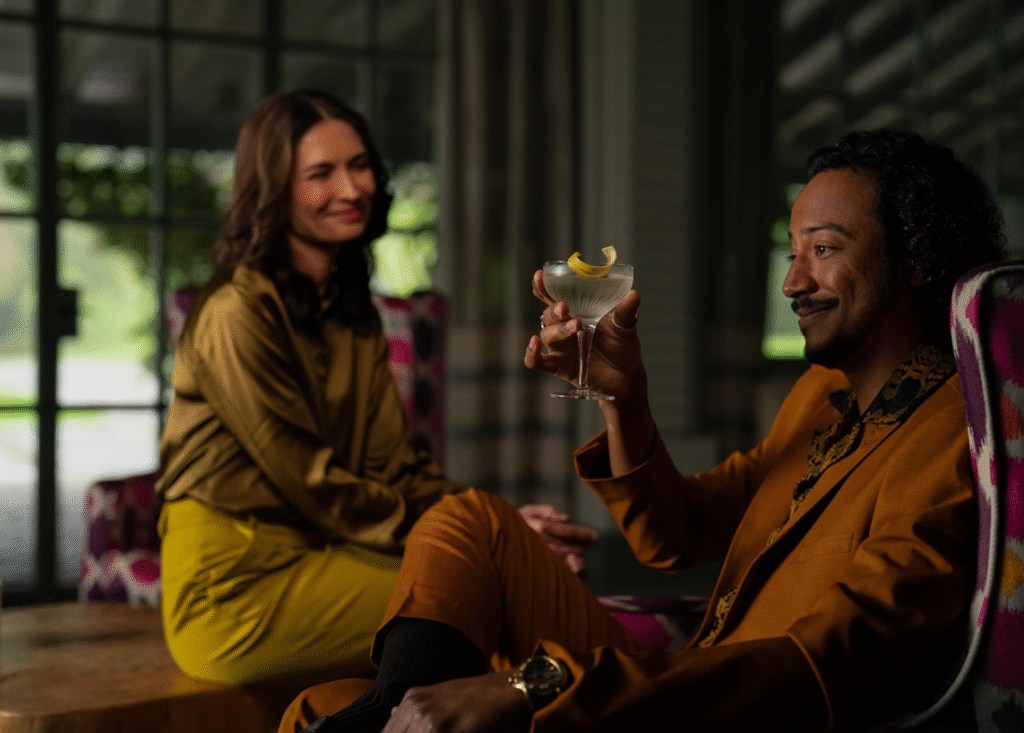
Everyone is content. Everyone agrees. Everyone belongs.
And the society quietly treats anyone who doesn’t conform as a malfunction.
Pluribus and Carol: A Protagonist Who Refuses Emotional Simplification
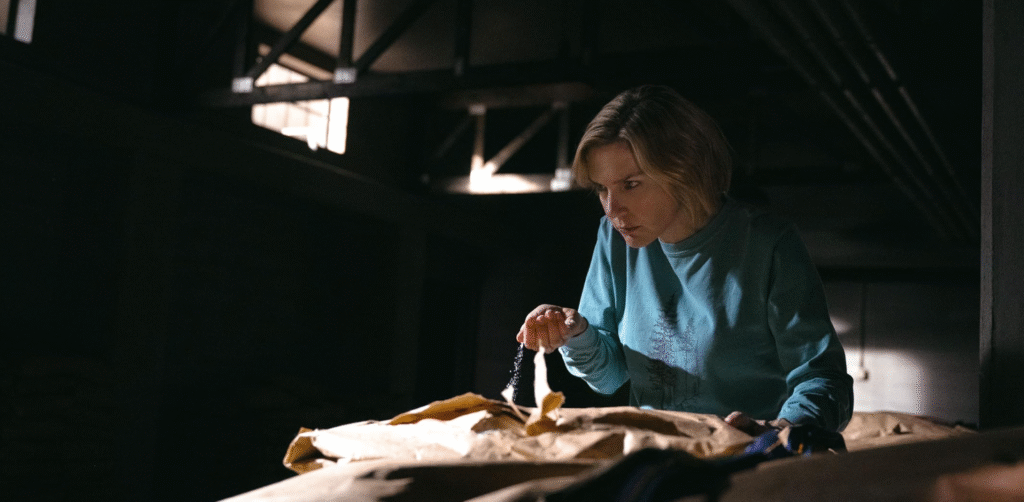
Carol, the show’s central figure, is not heroic in any traditional sense. She doesn’t command attention. She doesn’t rally others. She doesn’t even fully understand why she resists.
She simply feels too much — and remembers what that used to mean.
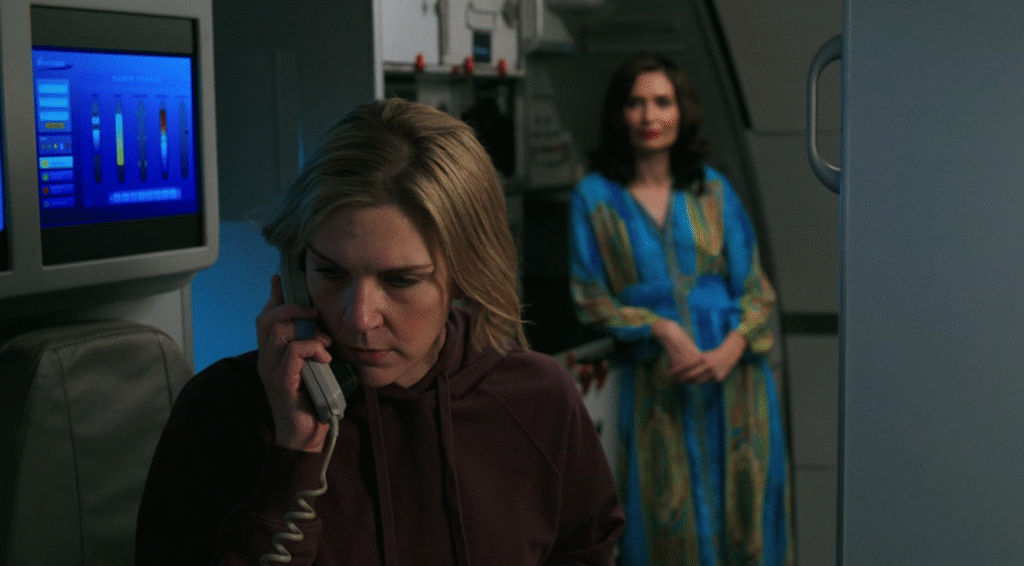
In a society where emotional friction has been eliminated, Carol’s discomfort is framed as illness. Her questions are met with concern rather than anger. The world responds to her resistance with smiles instead of force
That restraint is intentional. The world doesn’t need violence to suppress her — happiness does the job more efficiently.
Carol’s power lies in memory. She remembers that pain once signaled meaning, boundaries, and desire. And she refuses to accept a reality where emotional depth is traded for comfort.
How Pluribus Turns Happiness Into Infrastructure
One of Pluribus’s most disturbing achievements is how it reframes happiness as a system rather than a feeling.
This is not joy earned through connection, struggle, or love. It is emotional stability enforced through sameness. Peace without consent. Harmony without negotiation.
The series asks an uncomfortable question and never lets go of it:
If suffering disappears, but so does autonomy, is that evolution — or erasure?
In this world, people no longer argue, but they also no longer choose. Career paths flatten. Relationships lose tension. Moral dilemmas dissolve before they can form.
Life becomes smoother — and smaller.
The Horror of Comfort
Pluribus avoids almost every traditional horror technique. There are no monsters, no sudden shocks, no graphic images.
Yet the show is consistently unsettling.
The fear comes from recognition. From seeing how easily people surrender complexity when discomfort is removed. From realizing that pain was never just suffering — it was information.
Some of the most chilling moments are barely dramatic at all:
A disagreement that dissolves mid-sentence
A traumatic memory recalled without emotion
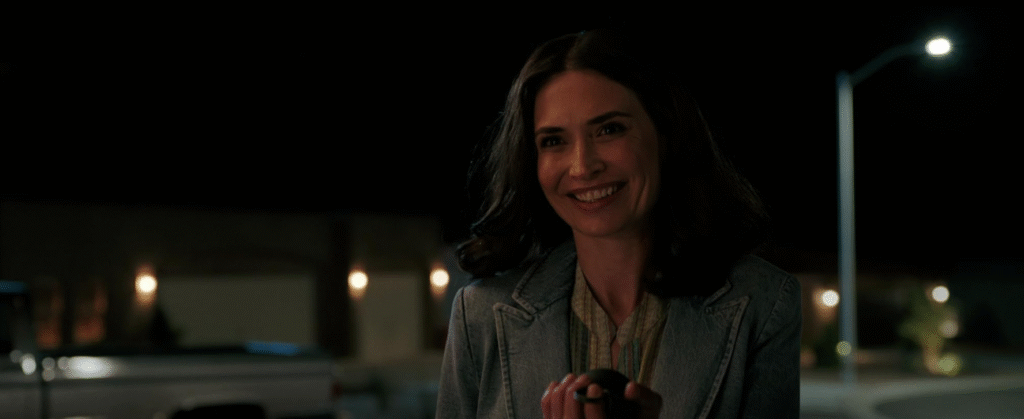
A smile that arrives too quickly, too perfectly
This is dystopia without cruelty — and that’s exactly why it works.
Vince Gilligan’s Most Restrained Vision
Fans of Vince Gilligan might expect moral collapse through chaos or violence. Instead, Pluribus offers something colder and more precise.
The world doesn’t fall apart. It stabilizes.
Gilligan strips away spectacle and trusts implication. He allows unease to build gradually, letting viewers sit with questions rather than answers.
The moral decay here isn’t explosive — it’s soothing. And that may be his sharpest critique yet.
Why This Story Lingers
Pluribus: The Age of Happiness is not designed for passive viewing. It resists binge culture and easy payoff. It asks the viewer to remain uncomfortable — the very thing its world has eliminated.
Ultimately, this is a series that continues working after the episode ends It reframes how happiness is defined, sold, and prioritized. It invites viewers to reconsider whether emotional pain was ever the enemy to begin with.
✔ Not traditionally entertaining ✔ Intellectually unsettling ✔ Emotionally invasive
If happiness is the ultimate goal, Pluribus asks the most dangerous follow-up question of all: What are you willing to give up to keep it?
🔗 Official Streaming & Production Resources
Apple TV+ — Pluribus: The Age of Happiness Official Streaming Page https://tv.apple.com/