
Introduction
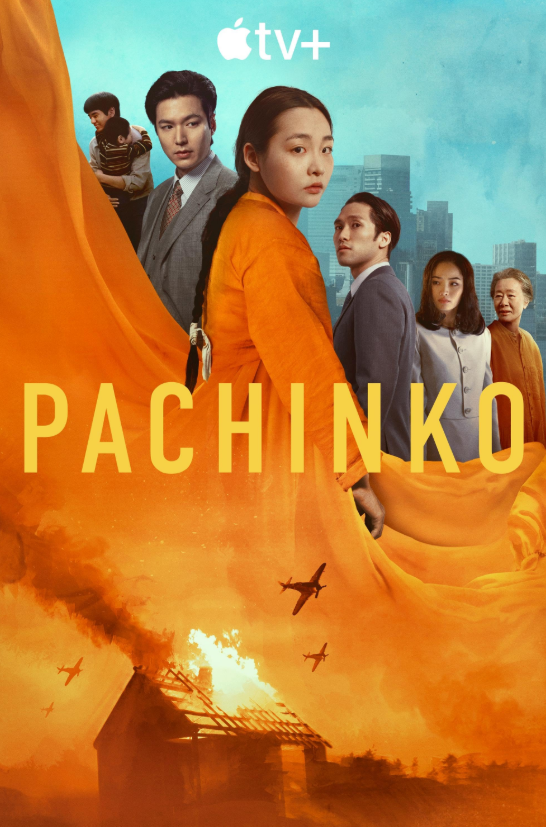
Few series in recent years have carried the emotional weight and historical depth of Pachinko. Produced by Apple TV+ and based on the bestselling novel by Min Jin Lee, this adaptation is not merely a historical drama. It is a sweeping portrait of migration, resilience, and the fragile search for belonging across generations.
Rather than telling a straightforward chronological story, Pachinko unfolds like memory itself — fragmented, layered, and emotionally resonant.
Story Overview (Spoiler-Light)
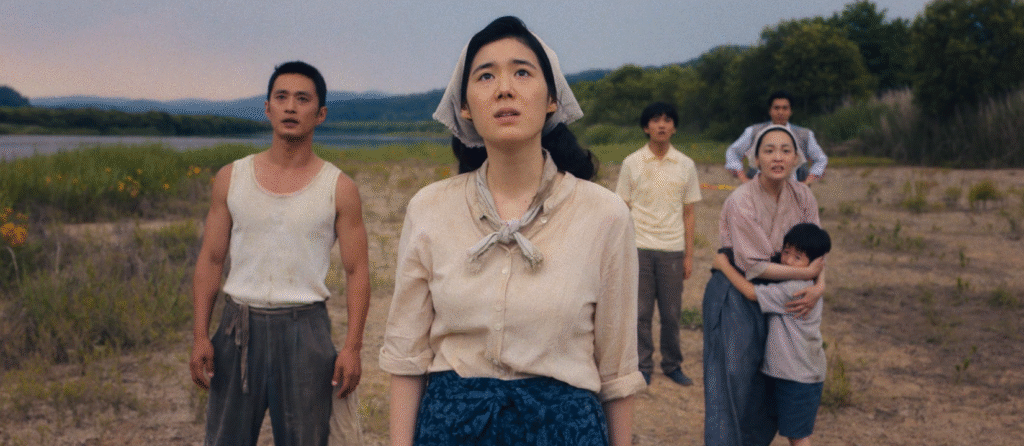
The series begins in early 20th-century Korea under Japanese colonial rule. We meet young Sunja, a bright and determined girl growing up in poverty near Busan. Her life changes when she becomes involved with Koh Hansu, a wealthy merchant whose charm hides complicated truths.
An unexpected pregnancy forces Sunja to confront difficult choices. When a kind minister offers her marriage and a new life in Japan, she leaves her homeland behind — stepping into a society that will never fully accept her.
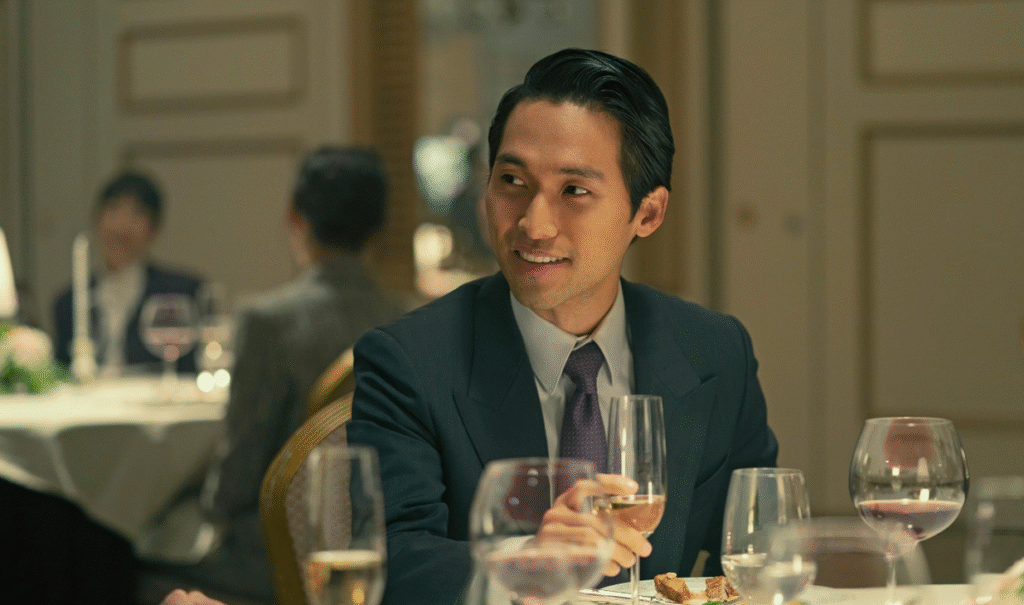
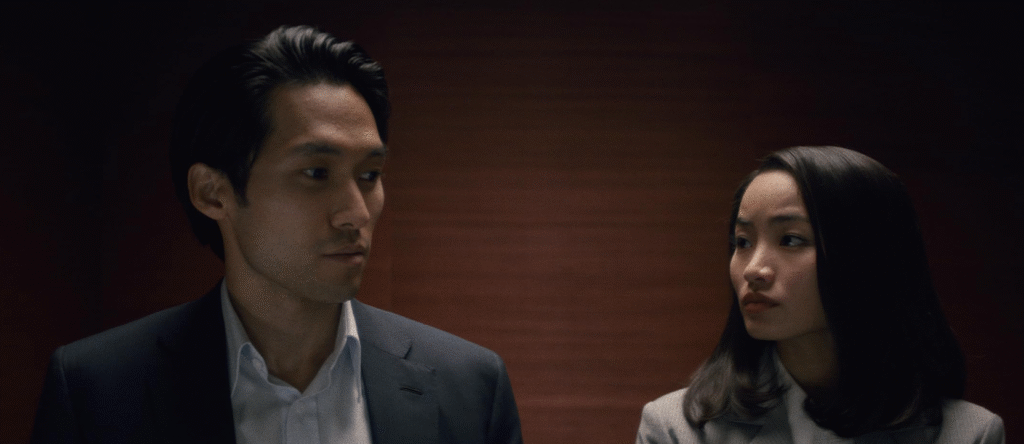
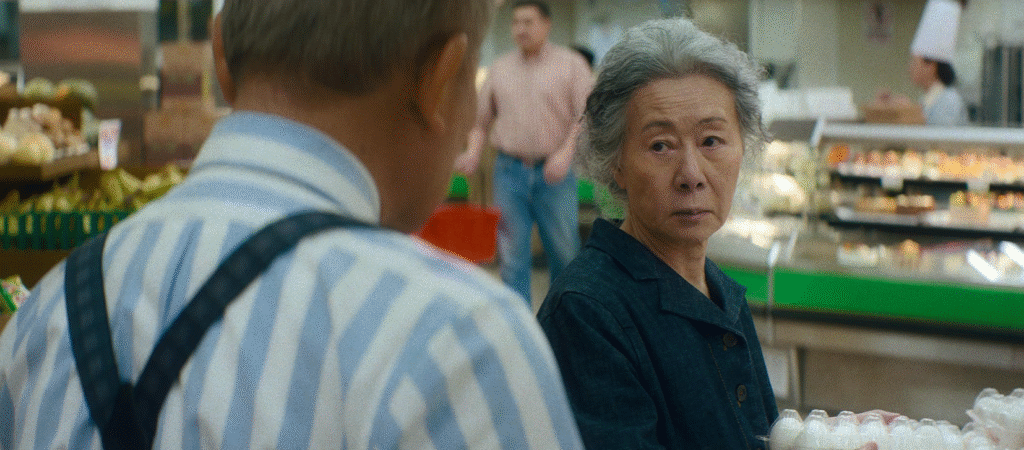
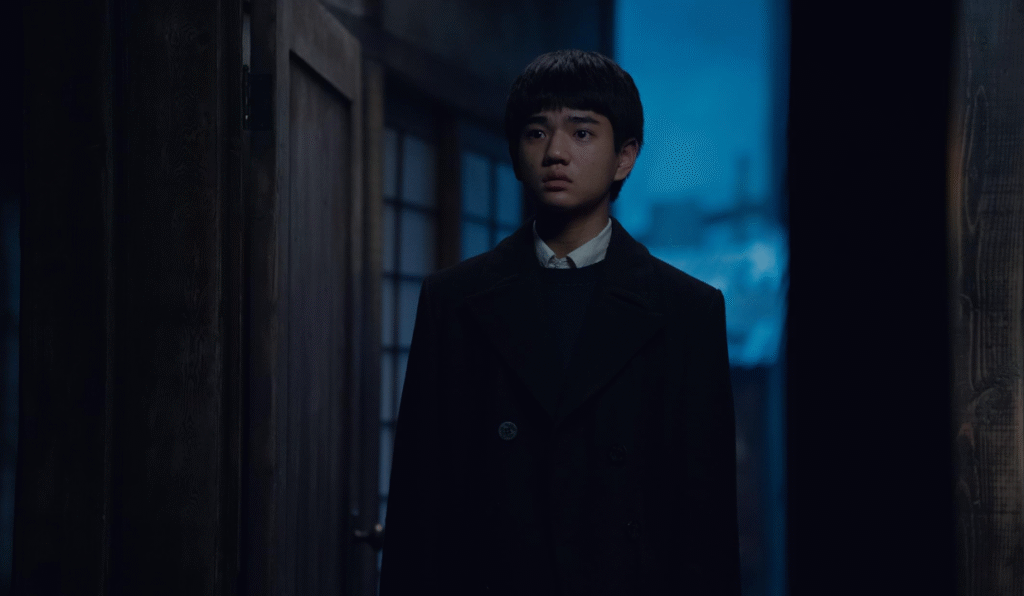
The narrative then moves between Sunja’s youth and her later years, portrayed by Youn Yuh-jung, as well as the struggles of her grandson navigating corporate life decades later. Through this cross-generational structure, the series shows how history shapes identity long after events have passed.
Themes That Define the Series
1. Identity and Diaspora
At its core, Pachinko explores what it means to live between worlds. Korean, yet raised in Japan. Successful, yet never fully accepted. The characters constantly negotiate who they are in spaces that label them as outsiders.
Language plays a powerful role — Korean, Japanese, and English flow naturally throughout the series. This multilingual storytelling reinforces the emotional tension of displacement and adaptation.
2. Survival Over Sentimentality
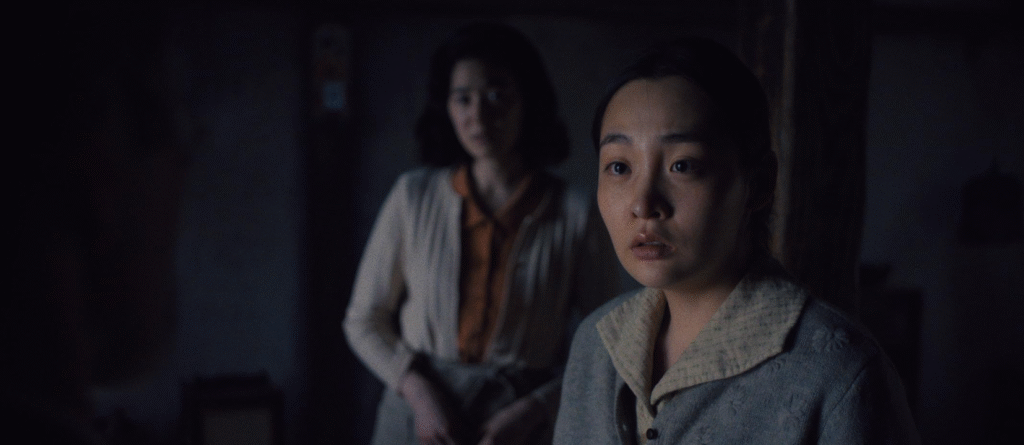
Sunja’s journey is not romanticized. The series resists melodrama and instead focuses on endurance. Her strength is quiet, persistent, and deeply human.
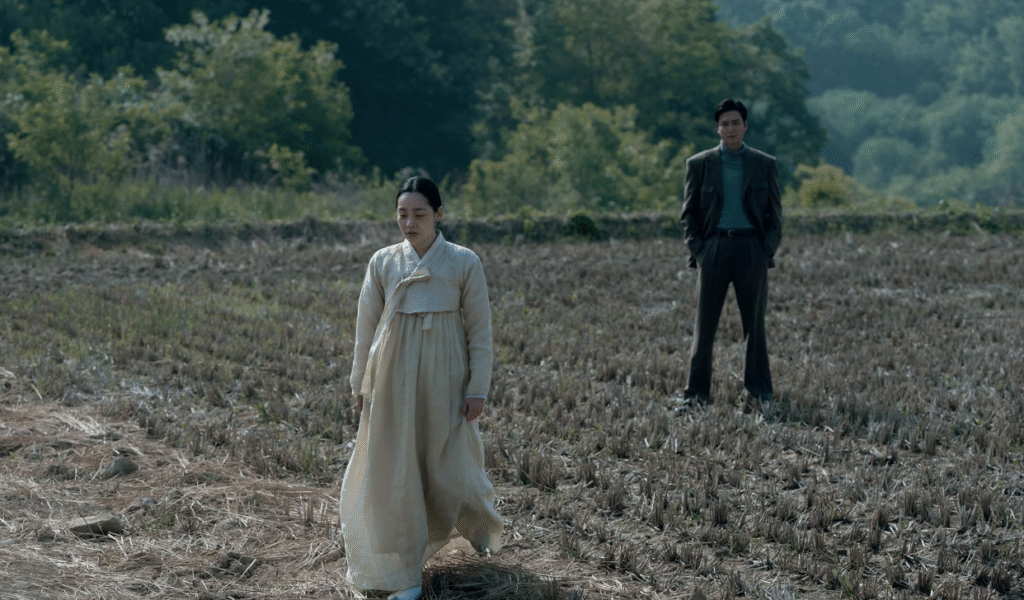
Portrayed in her youth by Kim Min-ha, Sunja embodies resilience without losing vulnerability. Her story becomes a testament to countless women whose sacrifices built futures for the next generation.

3. Koh Hansu – Love, Power, and Ambiguity
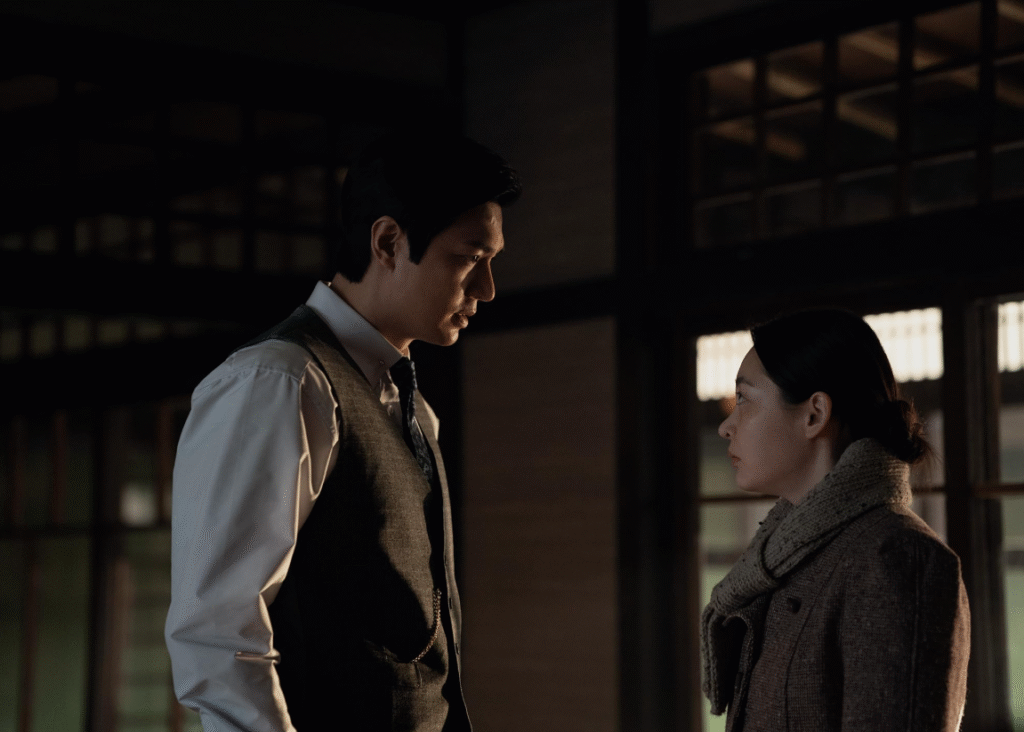
Lee Min-ho delivers one of his most nuanced performances as Hansu. He is neither pure villain nor romantic hero. Instead, he represents opportunity, danger, protection, and control — often at the same time.
Their relationship forces viewers to question whether love can exist within unequal power dynamics. The series never offers easy answers.

Cinematography and Direction
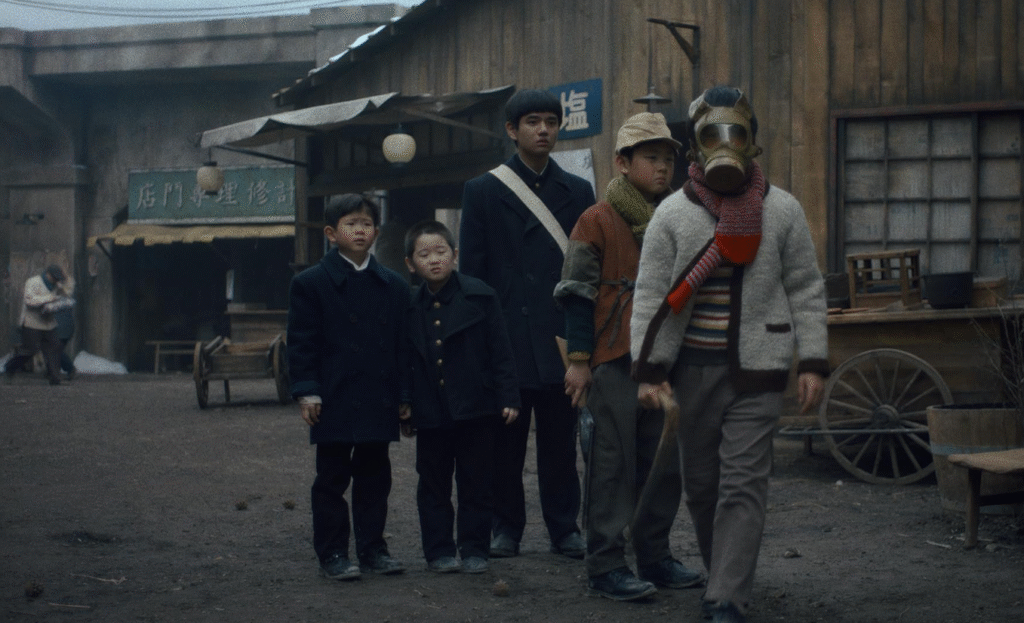
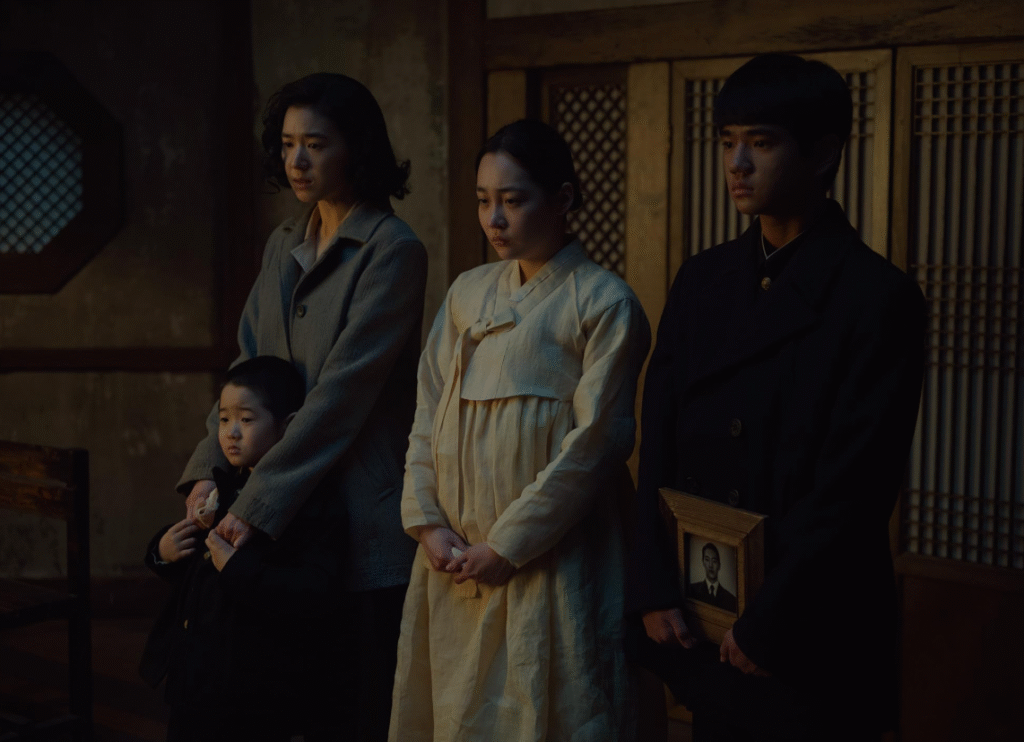
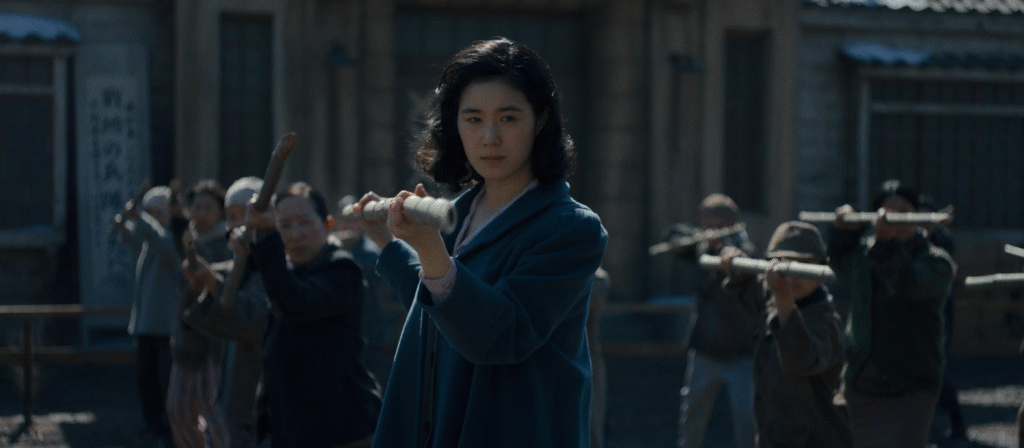
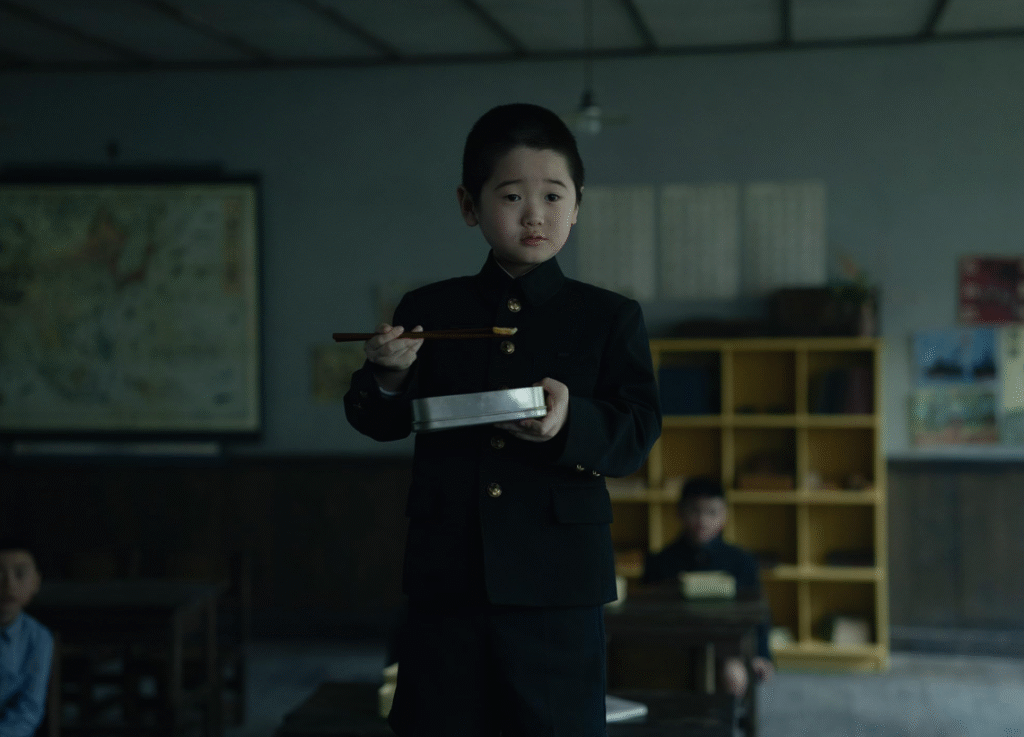
Visually, Pachinko is breathtaking. Each frame feels deliberate. From coastal Korean villages to bustling Osaka streets and modern financial offices, the series balances intimate close-ups with expansive landscapes.
The opening sequence, set to an unexpected upbeat track, contrasts sharply with the heavy themes that follow. It reminds viewers that joy and sorrow coexist — even in the harshest circumstances.
Why Pachinko Matters Globally
This series stands out because it tells a deeply Korean story without simplifying it for international audiences. Instead of explaining history through exposition, it trusts viewers to feel the emotional truth of its characters.
It is not a fast-paced thriller. It is a slow, layered meditation on family, dignity, and the long shadow of history.
Final Thoughts
Pachinko is more than a period drama. It is a generational epic about how survival shapes identity, how love can both wound and sustain, and how history quietly echoes through time.
It demands patience. It rewards attention. And long after the final episode ends, it lingers.
For viewers seeking depth, artistry, and emotional authenticity, this series is essential.
🔗 Official Drama & Reference Resources
Pachinko — Official Apple TV+ Page
Full episode guide, cast details & streaming information
https://tv.apple.com/
🌍 More Reviews from Go K Wave
In Your Radiant Season Review (2026): What Happens When Love Survives Without Memory?
https://gokwv.com/in-your-radiant-season-review-2026/
Alchemy of Souls Review – Epic Fantasy, Romance, and Magic Explained
https://gokwv.com/alchemy-of-souls-review/
The Art of Sarah Review – Identity, Art, and Psychological Manipulation Explored
https://gokwv.com/the-art-of-sarah-review-ending-explained/