One Battle After Another is a film that deliberately rejects narrative comfort, choosing exhaustion and repetition over resolutionSome wars don’t end. They age. They rot. And then they repeat.
One Battle After Another is a film that refuses momentum in the conventional sense. It does not build toward catharsis, nor does it offer the reassurance of moral victory. Instead, Paul Thomas Anderson crafts a slow, grinding meditation on ideological fatigue — a portrait of what happens after belief has been tested too many times.
This is not a story about revolution in its youth. It is about revolution in middle age.
The Brutal War of Repetition in One Battle After Another
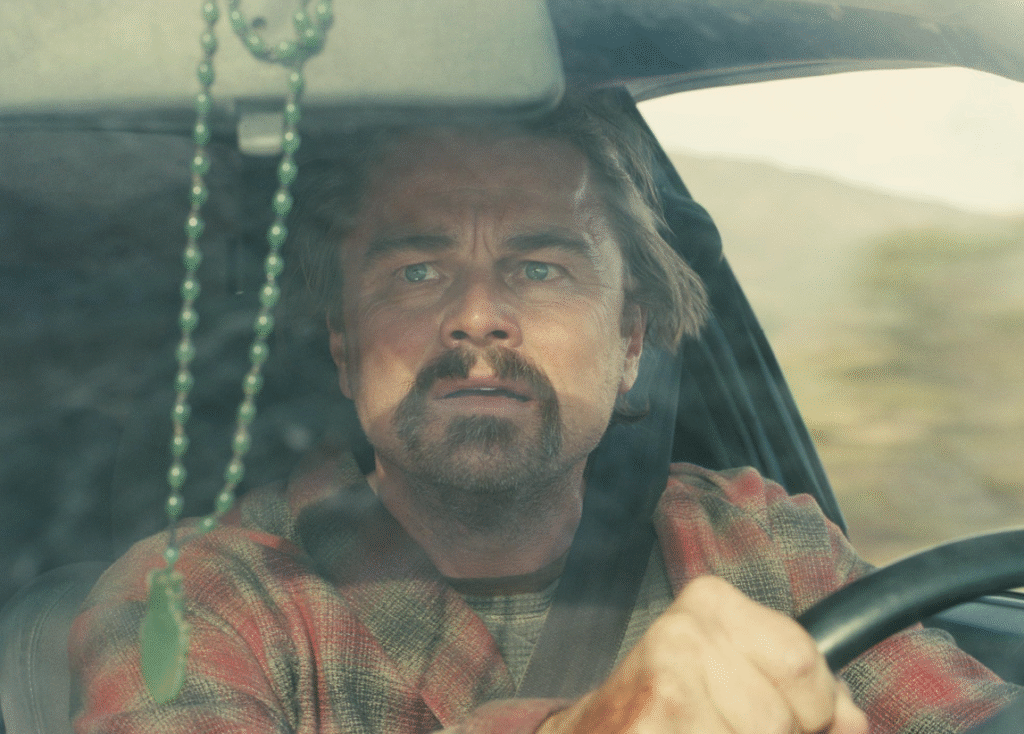
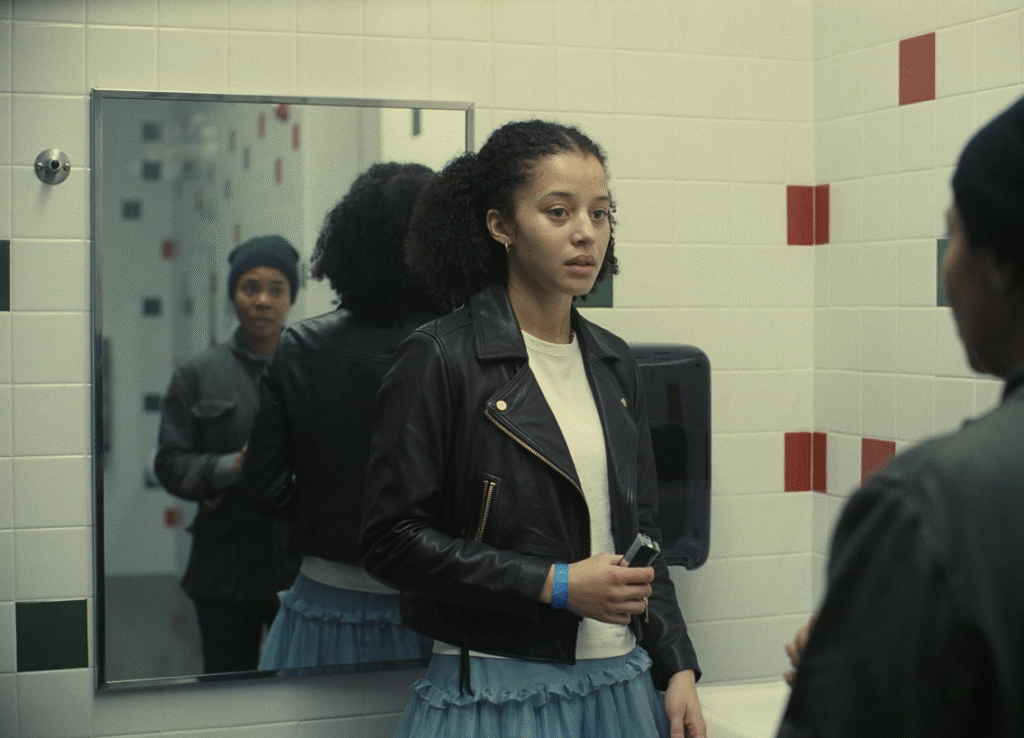
From its opening moments, the film establishes a sense of repetition. Conversations echo earlier conversations. Conflicts resemble past conflicts with slightly altered faces. Anderson structures the film so that the audience experiences the same emotional erosion as its protagonist — not confusion, but exhaustion.
Rather than escalating stakes, the story circles them. The question is never what will happen next? but why does this keep happening at all?
This deliberate narrative stagnation is not accidental.
Each conflict ends only to reappear in another form, reinforcing the sense that this war never stops, but simply reshapes itself over time.
It mirrors the central thesis of the film: that history, when left unresolved, becomes a loop rather than a line.

Leonardo DiCaprio and the Burden of Persistence
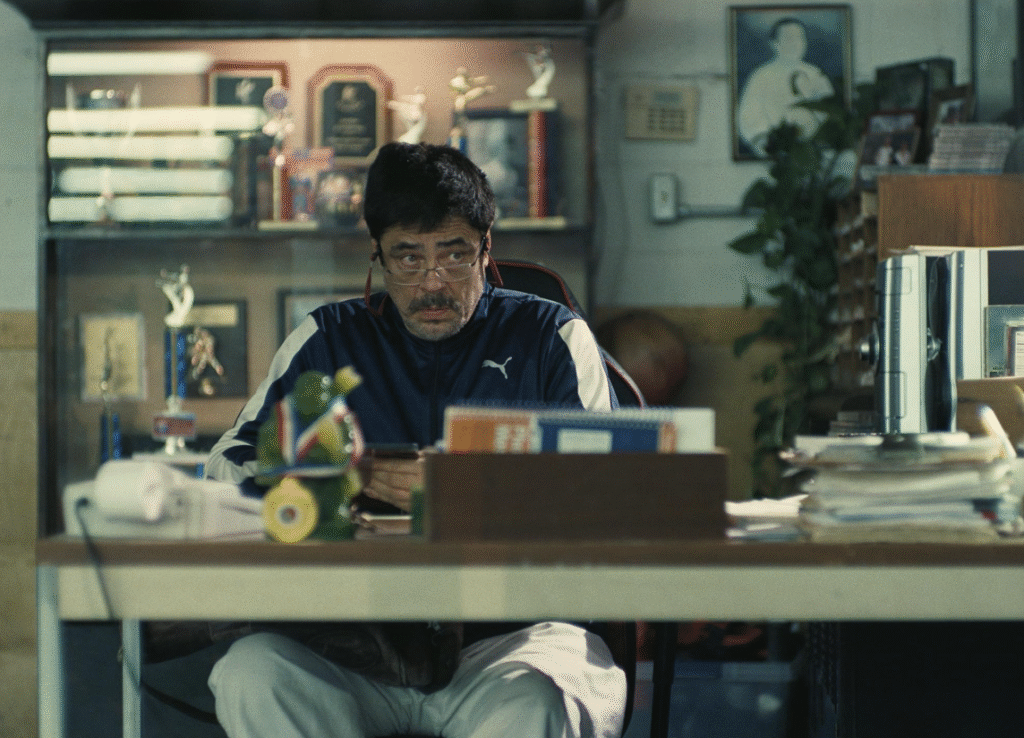
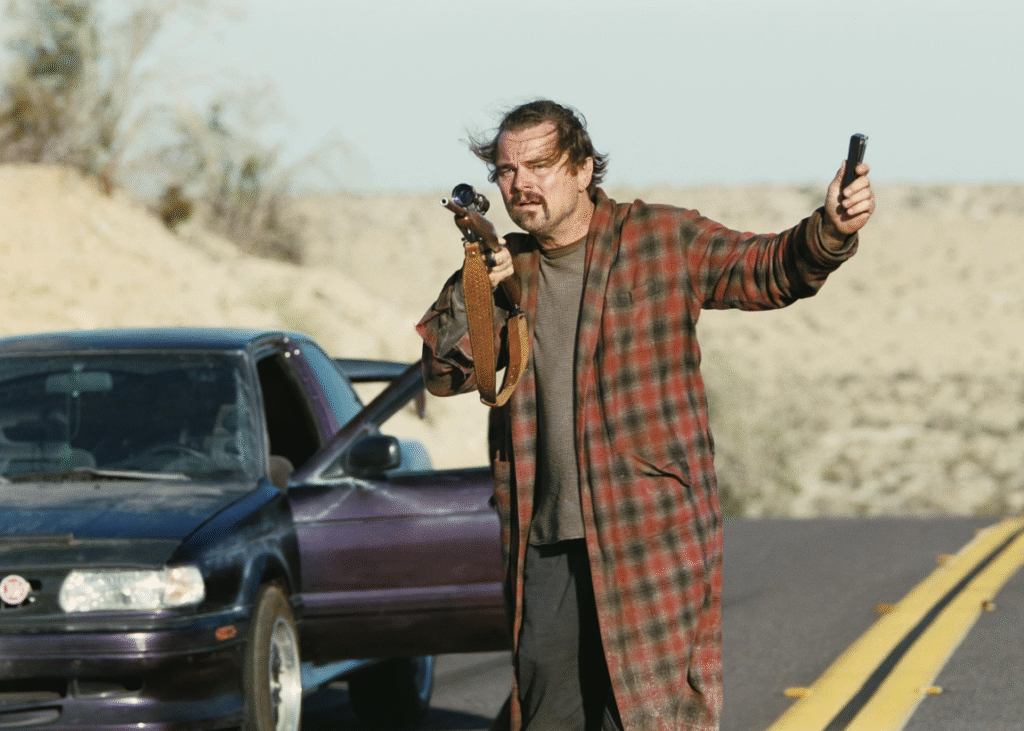
Leonardo DiCaprio delivers one of the quietest performances of his career, and arguably one of the most revealing. His character is a man shaped by past resistance, but no longer sustained by it. He understands the language of struggle, yet no longer trusts the promises that once came with it.
There is no attempt to make him likable or inspirational. He is impatient, guarded, and often emotionally inaccessible. And that is precisely what makes the performance compelling.
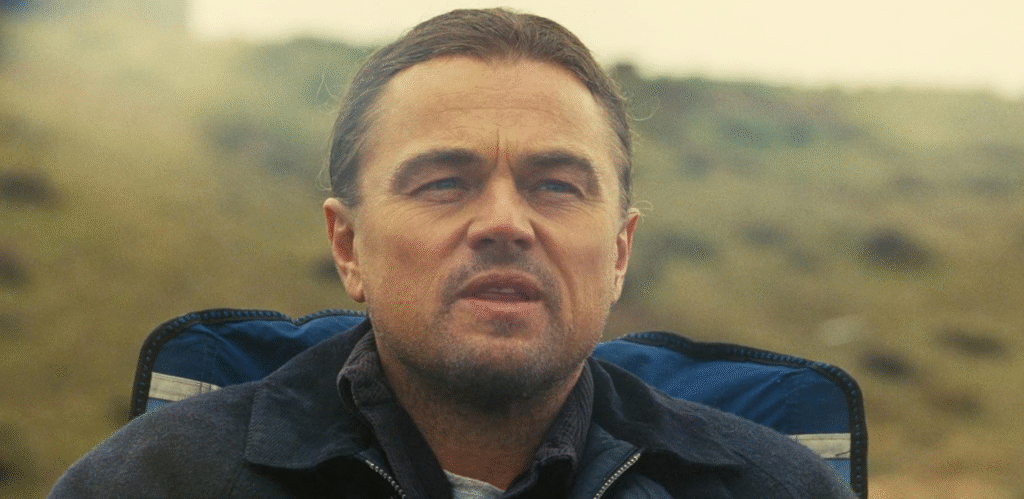
DiCaprio plays a man who has learned that conviction is expensive — not just politically, but personally. Every choice carries residue. Every compromise leaves a scar. His face often tells a different story than his words, suggesting that the true conflict is not ideological, but internal.

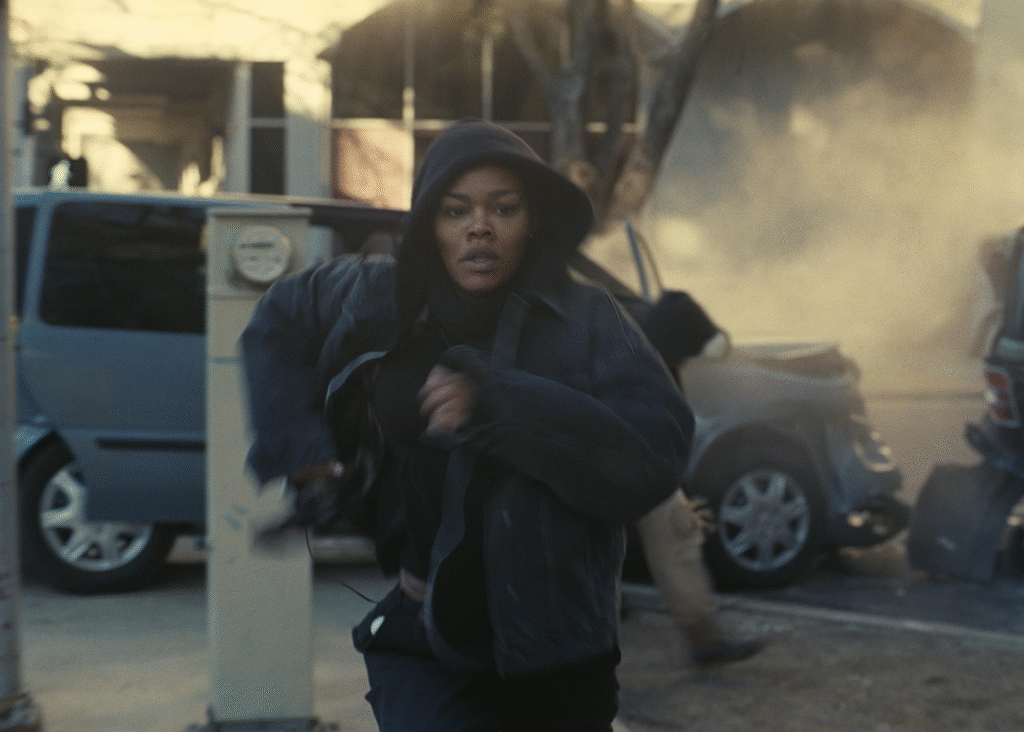
Direction That Rejects Spectacle
Paul Thomas Anderson strips the film of visual excess. There are no grand set pieces designed to overwhelm. Instead, the camera observes with almost clinical patience. Long takes linger beyond comfort. Scenes end without punctuation. The absence of traditional dramatic cues forces the viewer to engage without guidance.
Sound design is similarly restrained. Silence becomes an active presence, often more revealing than dialogue. When characters speak, their words feel tentative — as if language itself has lost authority.
This aesthetic restraint reinforces the film’s core tension: when belief systems decay, even expression becomes uncertain.

Politics Without Slogans
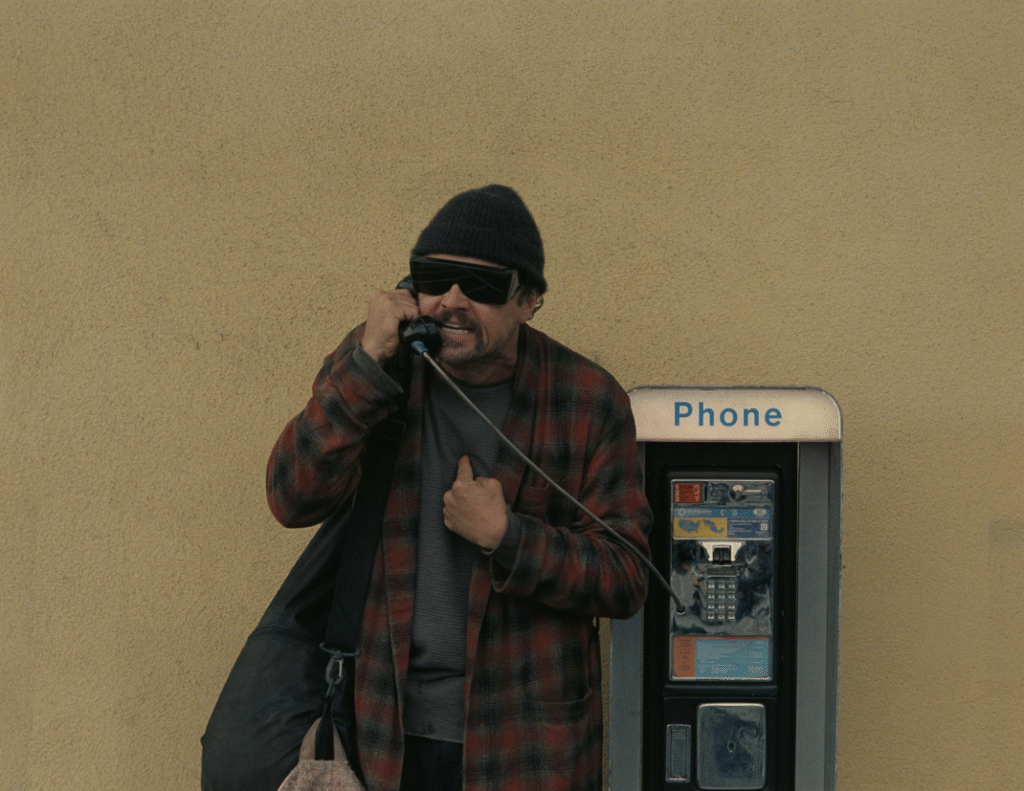
While One Battle After Another is deeply political, it avoids direct commentary or contemporary shorthand. There are no slogans, no easy parallels, no clear villains. Instead, Anderson presents politics as an atmosphere — something lived in, endured, and slowly internalized.
The film is less concerned with what people believe than with what belief does to them over time. It examines how movements age, how ideals fracture under repetition, and how individuals become trapped between loyalty and self-preservation.
In this sense, the film feels universal rather than topical. Its questions resonate beyond any single political moment.
A Film That Resists Resolution
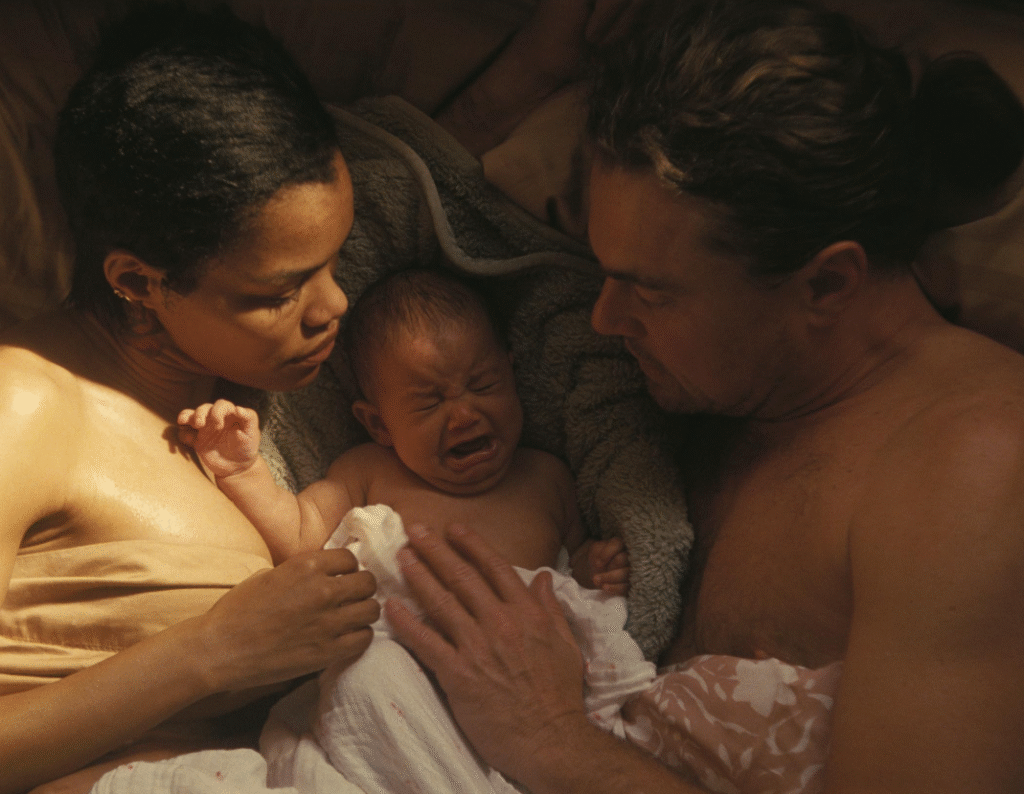
Perhaps the most radical choice Anderson makes is denying the audience emotional closure. The film ends not with an answer, but with a continuation. The battle does not conclude. It simply changes shape once again.
This refusal may frustrate some viewers. Yet it feels honest. Real ideological struggles rarely end neatly. They persist, adapt, and resurface — often leaving behind people who are too tired to keep fighting, but too implicated to walk away.

Final Verdict
One Battle After Another is not designed for passive viewing. It demands patience, tolerance for ambiguity, and a willingness to sit with discomfort. It will alienate audiences looking for narrative efficiency or ideological clarity.
But for those willing to engage on its terms, it offers something far more unsettling — a mirror held up to the cost of endless struggle.
This is not a film about winning a war.
It is a film about surviving a war that never truly ends.
🔗 Official Film & Production Resources
IMDb — One Battle After Another (2025) | Cast, Plot & Updates
https://www.imdb.com/title/tt30144839/?ref_=nv_sr_srsg_1_tt_7_nm_0_in_0_q_One%2520Battle%2520After%2520Another
Director Focus — Paul Thomas Anderson Filmography
https://www.imdb.com/name/nm0000759/
🌍 Recommended Reads from Go K Wave
There Will Be Blood Review │ Power, Obsession, and American Myth
https://gokwv.com/there-will-be-blood-review/
Emily in Paris Season 5 Review — Beautiful but Repetitive
https://gokwv.com/emily-in-paris-season-5-review/
Pluribus 2025 Review: Reasons Happiness Becomes Devastating
https://gokwv.com/pluribus-age-of-happiness-review/