Some films tell stories. Others expose structures.
No Other Choice firmly belongs to the second category.
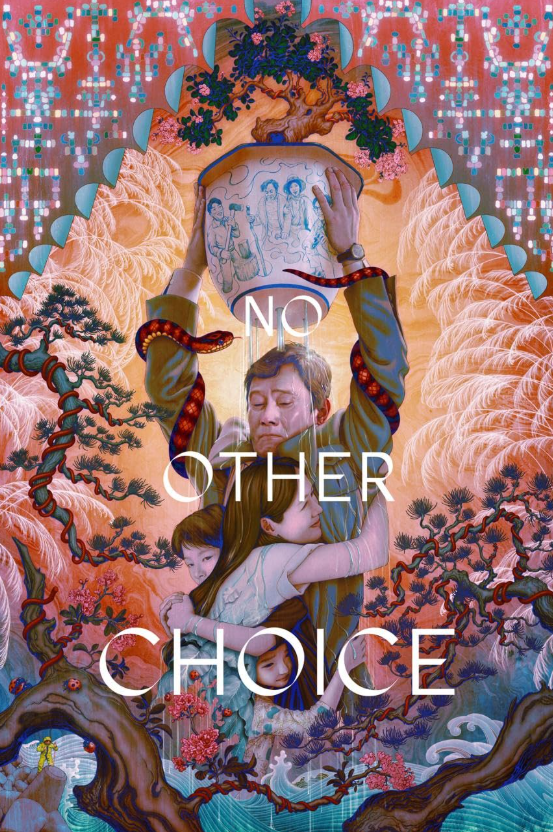
Directed by Park Chan-wook, this film is often described as a thriller or a black comedy, but those labels feel insufficient. What the film truly examines is something quieter and far more disturbing: the moment when choice stops being an expression of freedom and becomes an instrument of violence.

The Illusion of Choice
The title is not symbolic. It is literal.
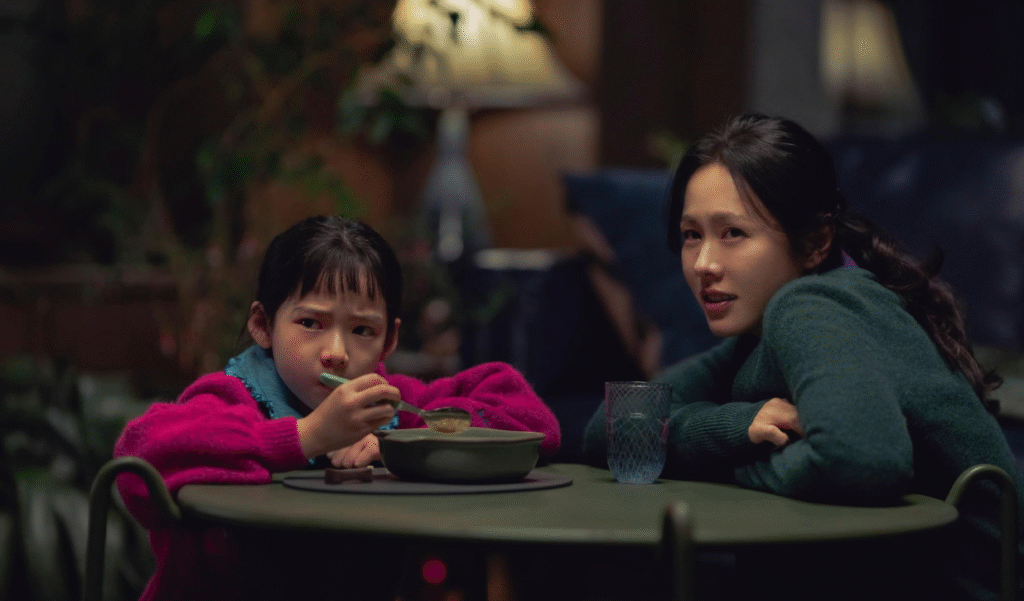
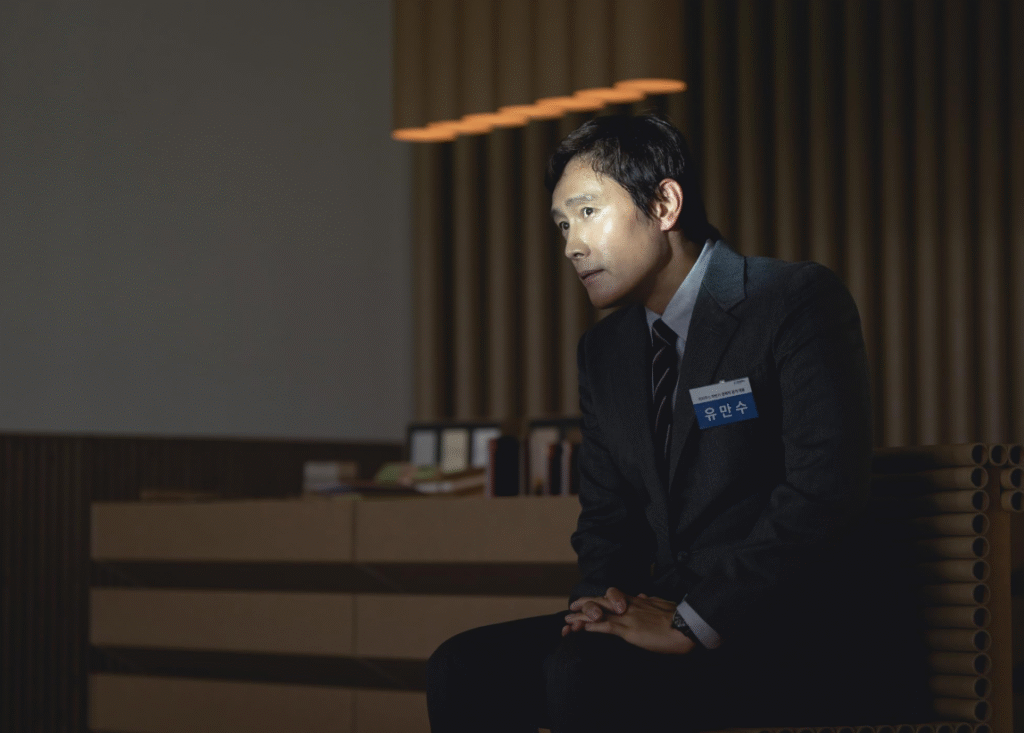
From the beginning, the protagonist is presented as someone who technically has options. He can search for work. He can wait. He can compete. On the surface, nothing is forcing his hand. And yet, every alternative is framed by the same invisible pressure: time, scarcity, and disposability.
What No Other Choice exposes is the difference between having choices and having meaningful choices.
The film dismantles the comforting belief that moral agency exists independently of material conditions. Here, ethics are not erased by cruelty but slowly hollowed out by necessity. Each decision the protagonist makes is horrifying, yet disturbingly logical. The film does not ask us to approve of his actions. It asks us to recognize how easily we understand them.

A System That Produces Violence Without Touching It
One of the film’s most unsettling achievements is its refusal to personify evil.
There is no single villain orchestrating events. No mastermind. No obvious target for outrage. Instead, violence emerges as a byproduct of systems designed for efficiency:
- Relentless competition
- Corporate indifference
- Social structures that value productivity over presence
Park Chan-wook presents a world where no one explicitly orders harm, yet harm becomes inevitable. Responsibility is diffused so thoroughly that accountability feels abstract.
This is not a story about a man losing his humanity.
It is about a society that no longer requires it.

Rationality as the Most Dangerous Weapon
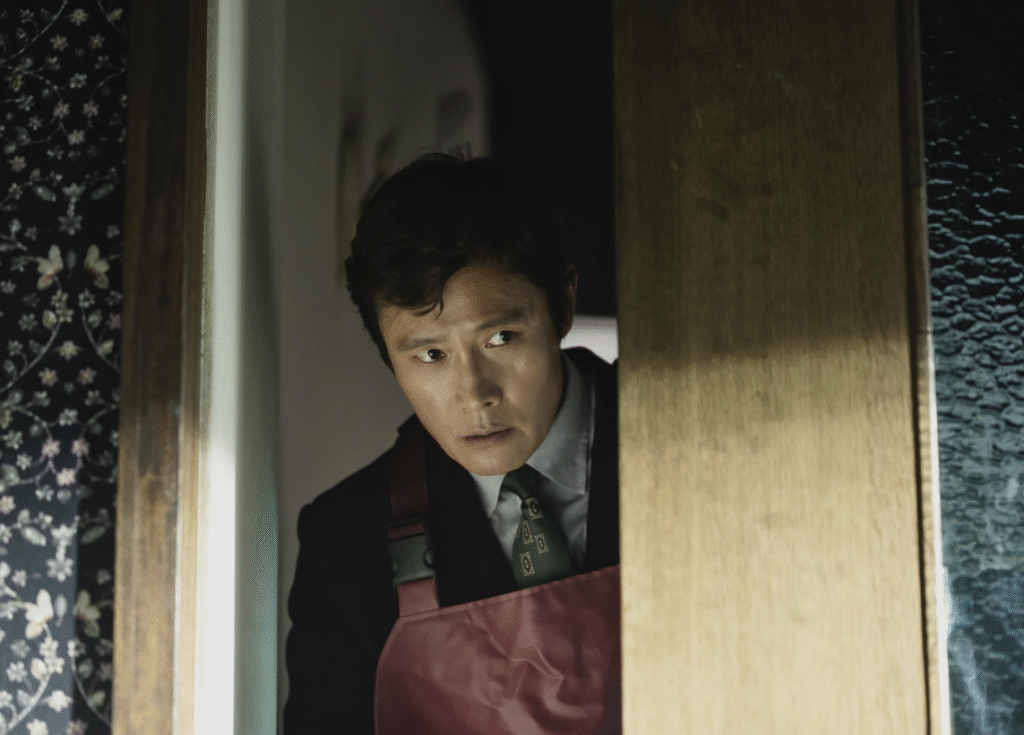
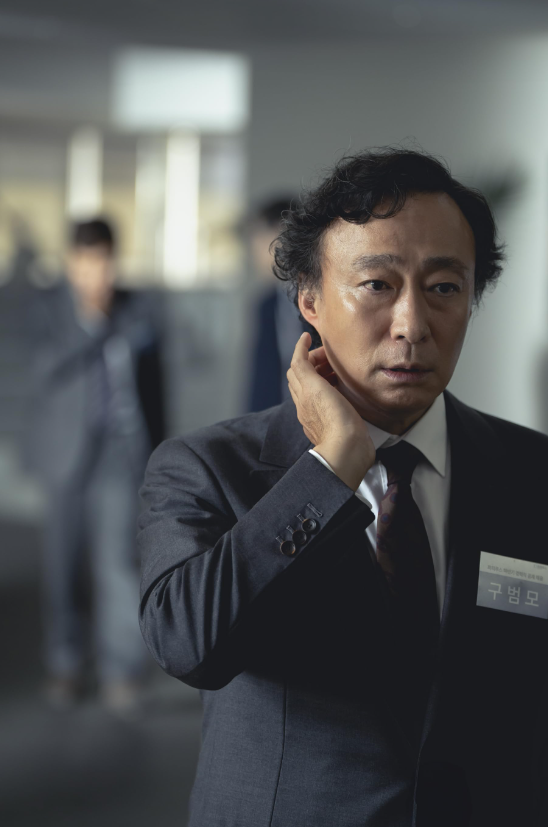
The most chilling aspect of No Other Choice is not what the protagonist does, but how calmly he reasons his way there.
This is not a descent into chaos. It is an ascent into clarity.
Each step follows a brutal internal logic shaped by economic survival and social erasure. Park Chan-wook strips away melodrama, replacing emotional outbursts with procedural thinking. The protagonist is not driven by rage or revenge, but by optimization.
In that sense, the film becomes a mirror.
It reflects a world where rational decision-making is praised—until we confront where that logic ultimately leads.

Dark Humor That Refuses to Comfort
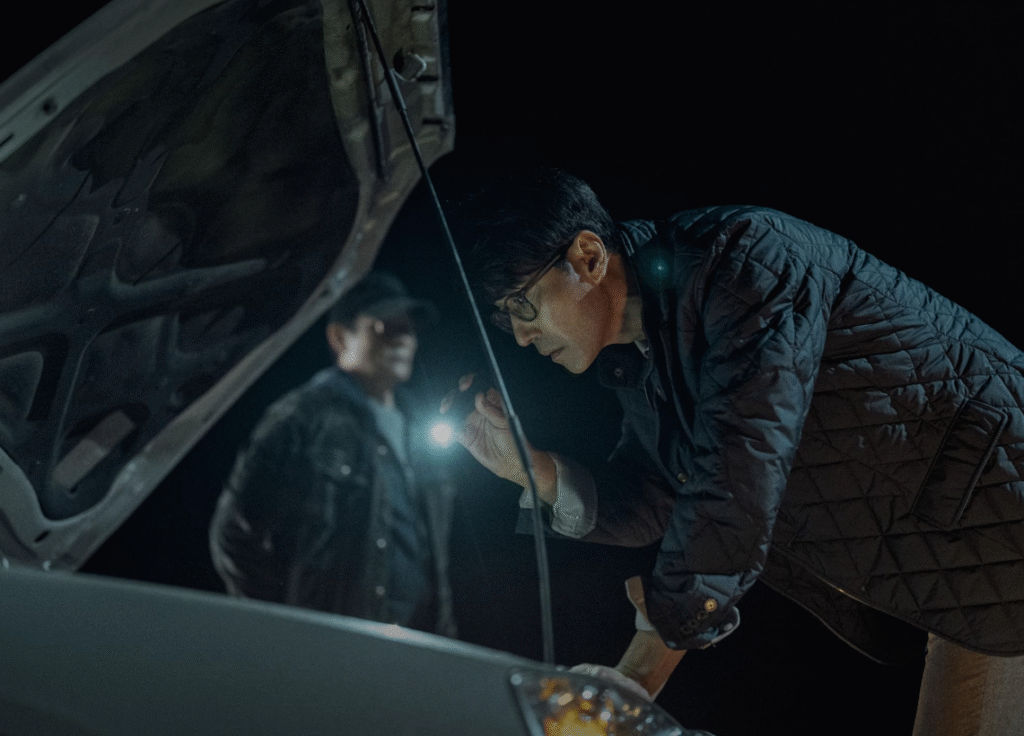
Yes, the film is often funny. But it is a dangerous kind of humor.
The laughter catches in your throat because it arrives uninvited. You laugh not because the situation is harmless, but because it is painfully recognizable. This is satire that does not release tension; it tightens it.
Park Chan-wook uses humor as a form of exposure.
The joke is never on the character alone.
It is on the conditions that made his reasoning sound reasonable.
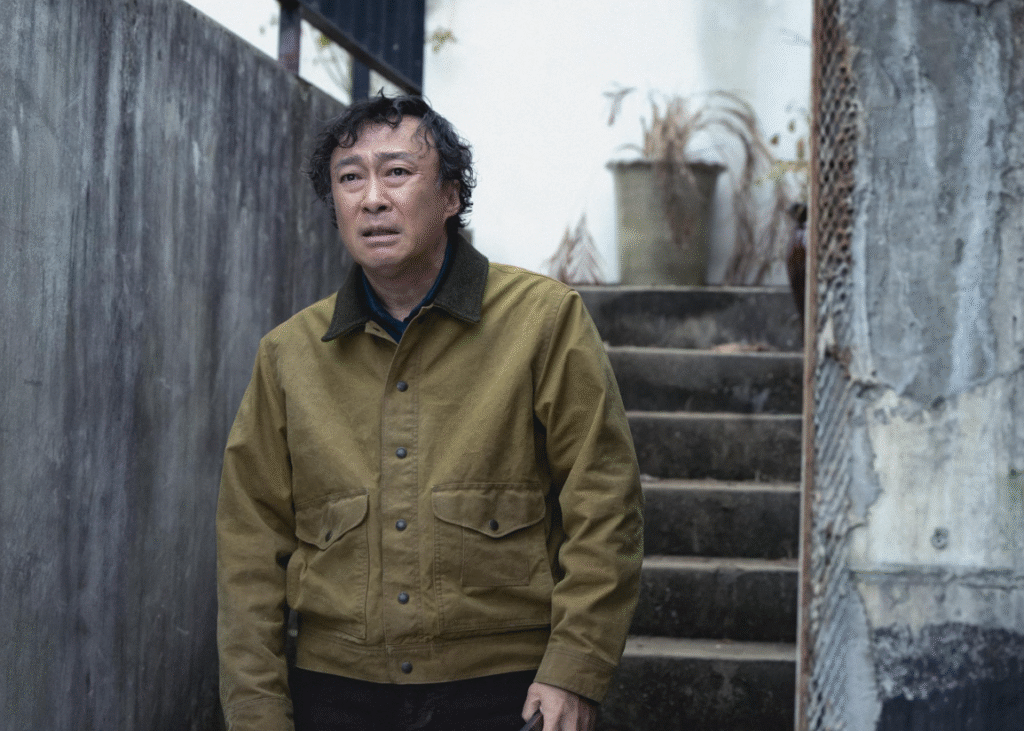
Cold Direction, Deeply Human Anxiety
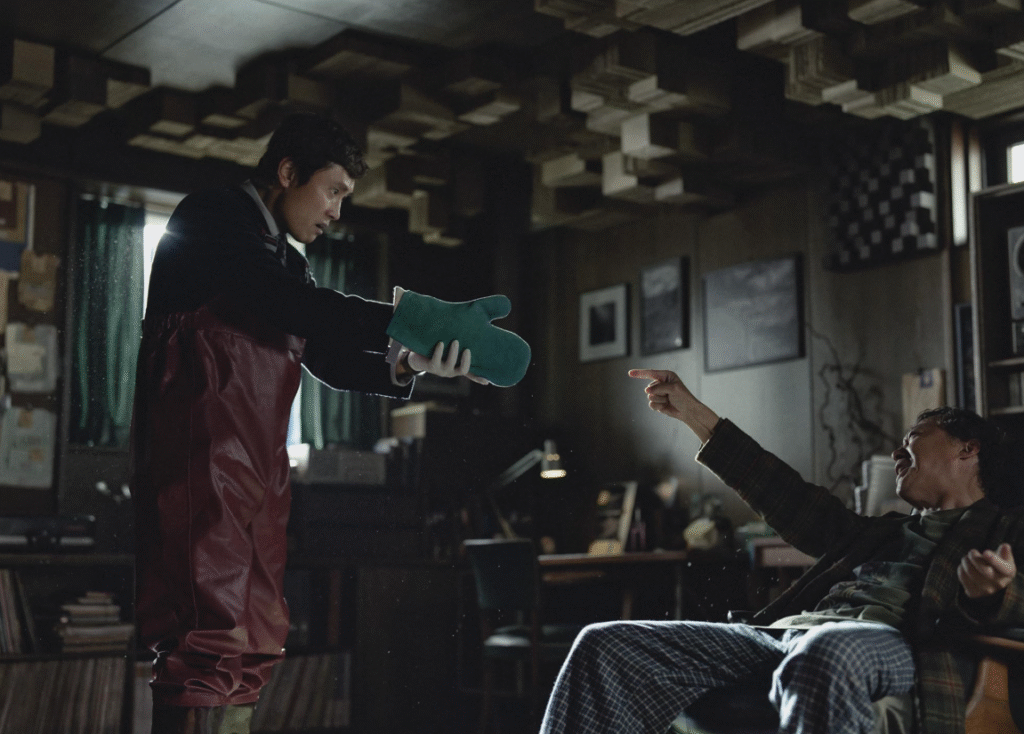
Visually and emotionally restrained, No Other Choice may feel colder than Park’s earlier, more operatic works. But that restraint serves a purpose.
This is a film about modern anxiety:
- The fear of being replaced
- The fear of becoming invisible
- The fear that morality is a privilege reserved for those who can afford it
The camera observes rather than empathizes, forcing the audience into an uncomfortable position—not inside the protagonist’s mind, but uncomfortably close to his logic.
By the end, the film offers no redemption, no catharsis, no moral safety net. What it offers instead is recognition.
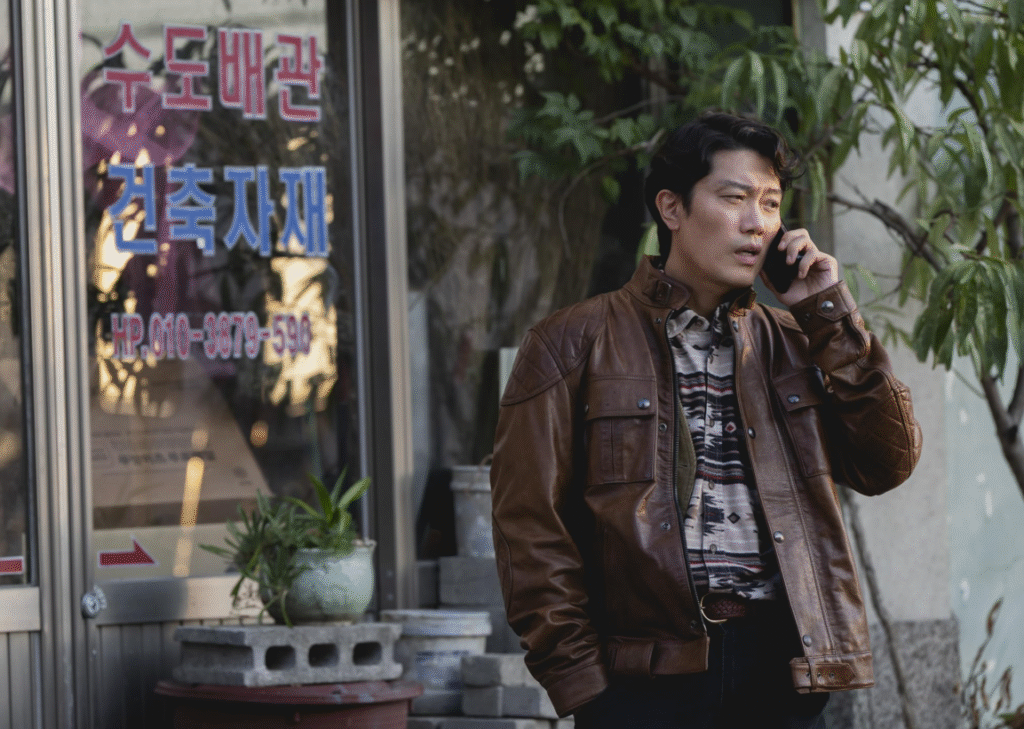
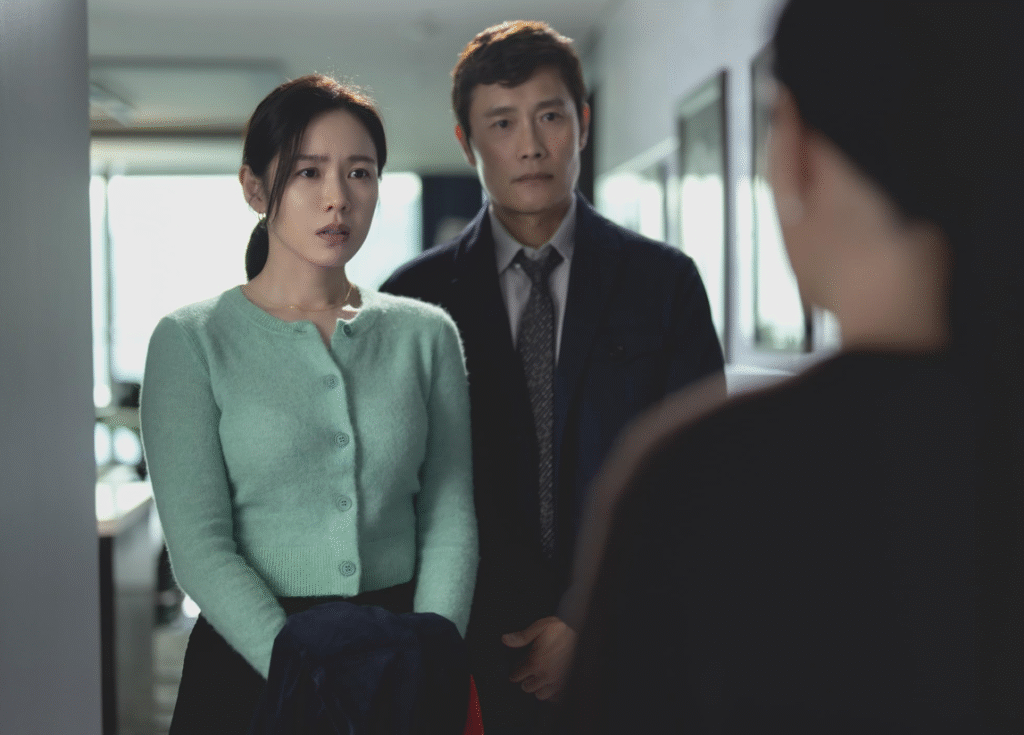
Final Reflection
No Other Choice is not a film you finish and move on from.
It stays with you because it doesn’t accuse—it implicates.
It asks whether modern society still allows ethical choice, or whether it merely presents us with a series of increasingly efficient compromises. And perhaps most disturbingly, it suggests that the line between victim and perpetrator is thinner than we want to believe.


🔗 Official Film & Reference Resources
IMDb — No Other Choice | Full Cast, Synopsis & Production Details
https://www.imdb.com/title/tt1527793/?ref_=nv_sr_srsg_1_tt_7_nm_0_in_0_q_No%2520Other%2520Choice
Netflix — No Other Choice (Availability Varies by Region)
https://www.netflix.com/
🌍 Recommended Reads from Go K Wave
The Great Flood Review: A Bold Sci-Fi Experiment Hidden in a Disaster Film
https://gokwv.com/the-great-flood-review-ending-explained/
Pluribus (2025) Review: Reasons Happiness Becomes Devastating
https://gokwv.com/pluribus-age-of-happiness-review/
MURDER REPORT (2025) Review: Reasons It Feels Unsettling
https://gokwv.com/murder-report-review/