At first glance, Bugonia looks like an eccentric genre experiment: a conspiracy-driven kidnapping, a powerful CEO, and a protagonist who believes the fate of the planet depends on his actions. But that description barely scratches the surface. What Bugonia ultimately offers is not a mystery to solve, but a condition to confront—a portrait of how paranoia, once dismissed as irrational, can become a coherent response to a world that no longer feels legible.

This film is a loose Hollywood reimagining of the Korean cult classic Save the Green Planet!, but calling it a remake is misleading. Where the original channeled social despair through manic energy and tragic absurdity, Bugonia drains that chaos into something colder, more methodical, and distinctly contemporary.
From Madness to Method
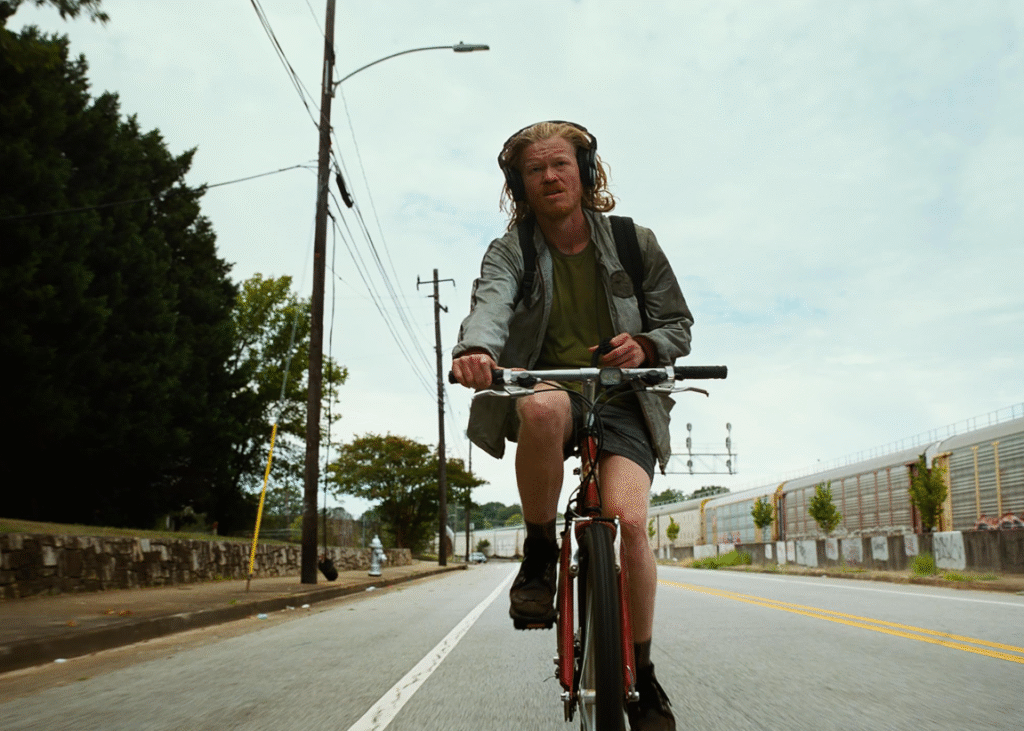
The most striking shift Bugonia makes is tonal. The protagonist is no longer framed as someone unraveling. Instead, he appears disturbingly composed. His belief in an alien conspiracy does not erupt from hysteria, but from accumulation—economic anxiety, environmental collapse, and a constant sense of disposability.
The film suggests that paranoia is not born overnight. It is assembled piece by piece, from data fragments, online narratives, and lived experiences of powerlessness. In this world, believing that a CEO might be an alien bent on planetary destruction feels no more absurd than trusting systems that continue to fail while insisting they are working as intended.
Here, conspiracy is not treated as delusion, but as emotional logic—a way to impose narrative order on a reality that offers none.

Power Without a Face
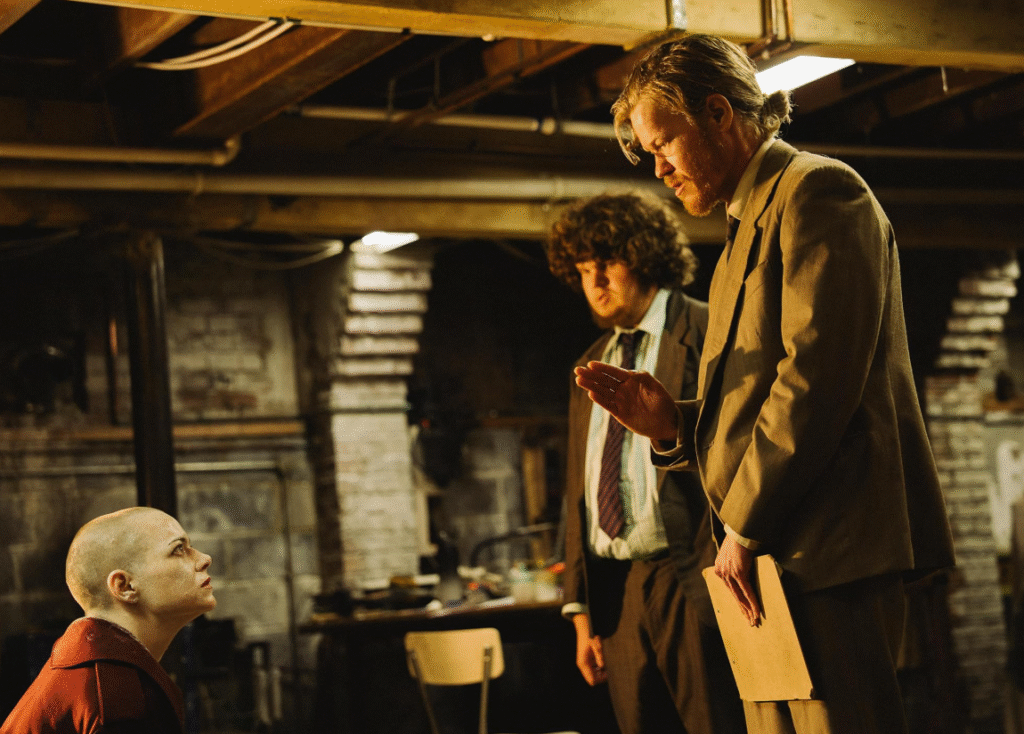
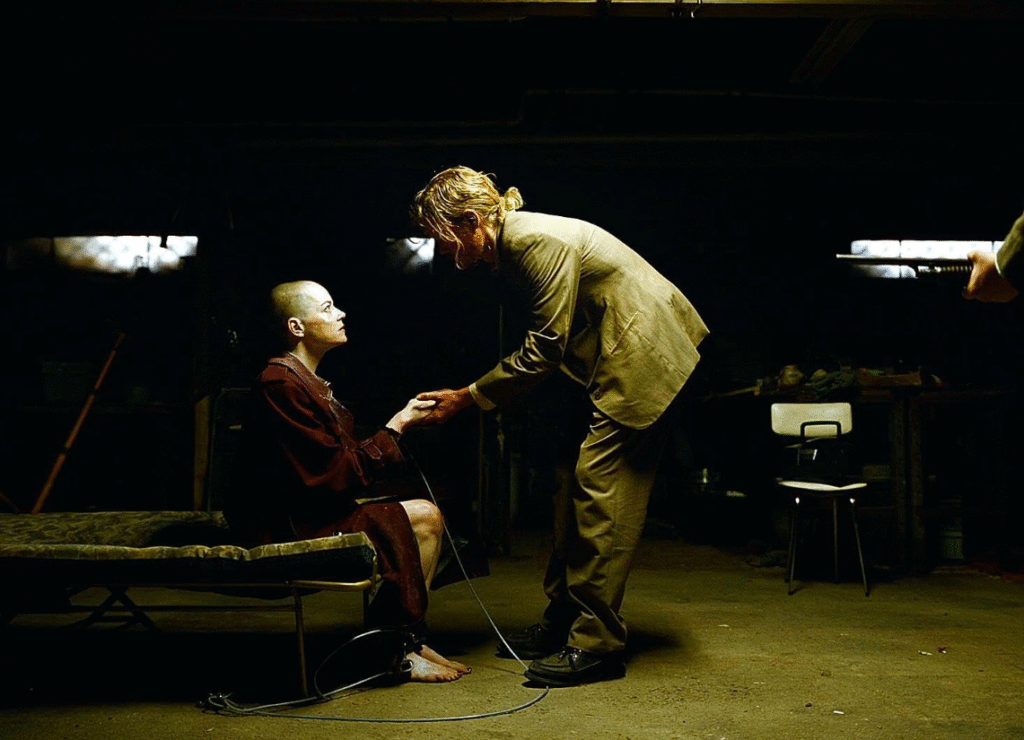
One of Bugonia’s most unsettling choices is how it depicts power. The kidnapped CEO is not a caricature of evil. She is efficient, articulate, and frighteningly reasonable. She does not need to threaten. Her authority is embedded in language, posture, and institutional confidence.
This is crucial. By refusing to turn her into a conventional villain, the film reframes the central conflict. The question is no longer whether she deserves what happens to her, but whether systems themselves generate violence simply by existing as they do.
The protagonist’s act is monstrous—but the film never allows the audience to believe that monstrosity exists in isolation. It grows in the shadow of unchecked authority, invisible hierarchies, and a world where accountability is always deferred.
A World That Trains You to Stop Trusting It
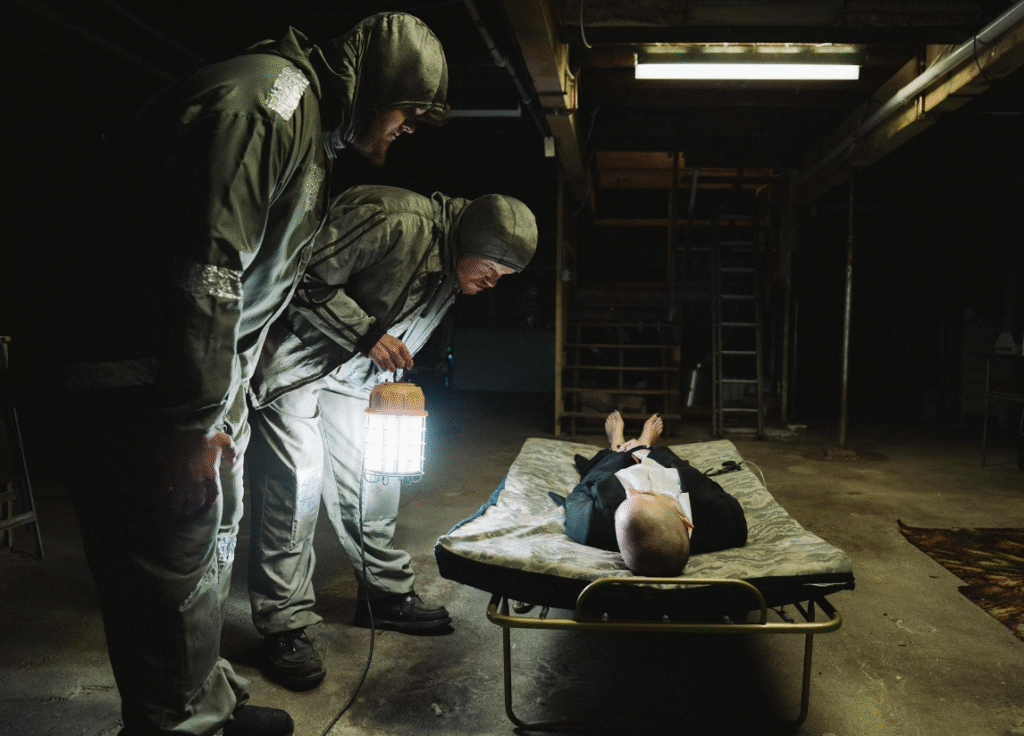
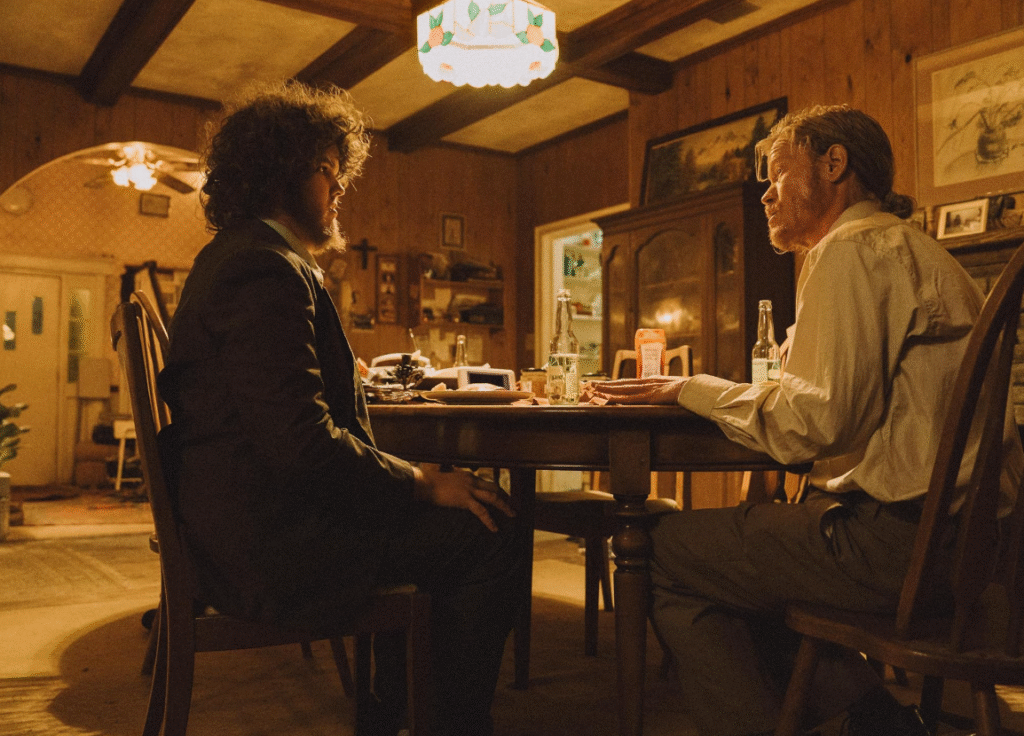
Director Yorgos Lanthimos brings his signature detachment to Bugonia. The camera observes rather than empathizes. Conversations unfold with a clinical stillness. Emotional cues are muted, forcing viewers to sit with discomfort rather than escape it.
This restraint is not aesthetic minimalism for its own sake. It mirrors the emotional flattening of modern life—where outrage cycles endlessly, crises overlap, and genuine moral clarity feels increasingly inaccessible.
In such a landscape, the film argues, extreme beliefs don’t erupt despite the system. They emerge because of it.

The Evolution of a Korean Tragedy
Comparing Bugonia to Save the Green Planet! reveals how social anxiety has shifted over two decades. The original film reflected a distinctly Korean context—post-crisis despair, labor precarity, and institutional betrayal—filtered through frantic energy and dark humor.
Bugonia, by contrast, globalizes that despair. Environmental collapse replaces national trauma. Corporate omnipotence replaces localized authority. The fear is no longer that society will crush one man, but that society itself no longer knows how to correct course.
What remains consistent is the core tragedy: when people feel unheard long enough, belief hardens into action.


Violence That Pretends to Be Necessary
Perhaps the most disturbing element of Bugonia is how violence is framed. It is not impulsive. It is procedural. Each step is justified, optimized, and rationalized.
The film never asks the audience to condone these actions. Instead, it asks a more dangerous question: Do you understand why they make sense to him?
That question lingers because recognition is uncomfortable. Understanding erodes distance. It forces viewers to confront how often modern life rewards cold rationality over moral reflection—and how easily necessity becomes an excuse.

Final Reflection
Bugonia is not a film about aliens. It is a film about interpretive collapse—about what happens when reality becomes so fragmented that paranoia feels like clarity.
It does not offer solutions or catharsis. It offers exposure. By the end, the film leaves viewers suspended between condemnation and recognition, unsure where responsibility truly lies.
And that uncertainty is its most honest gesture.

🔗 Official Film & Related Resources
IMDb — Bugonia | Full Cast, Synopsis & Ratings
https://www.imdb.com/title/tt12300742/
Rotten Tomatoes — Bugonia | Reviews & Audience Reactions
https://www.rottentomatoes.com/m/bugonia Rotten Tomatoes
Original Film Reference — Save the Green Planet! (2003)
https://en.wikipedia.org/wiki/Save_the_Green_Planet
🌍 Recommended Reads from Go K Wave
The Great Flood Review: A Bold Sci-Fi Experiment Hidden in a Disaster Film
https://gokwv.com/the-great-flood-review-ending-explained/
Run Away (2026) Review: A Powerful and Dark Family Story
https://gokwv.com/run-away-2026-netflix-review/
MURDER REPORT (2025) Review: Reasons It Feels Unsettling
https://gokwv.com/murder-report-review/